US Launches Third Wave of Attacks in Iran Amidst Regional Tensions
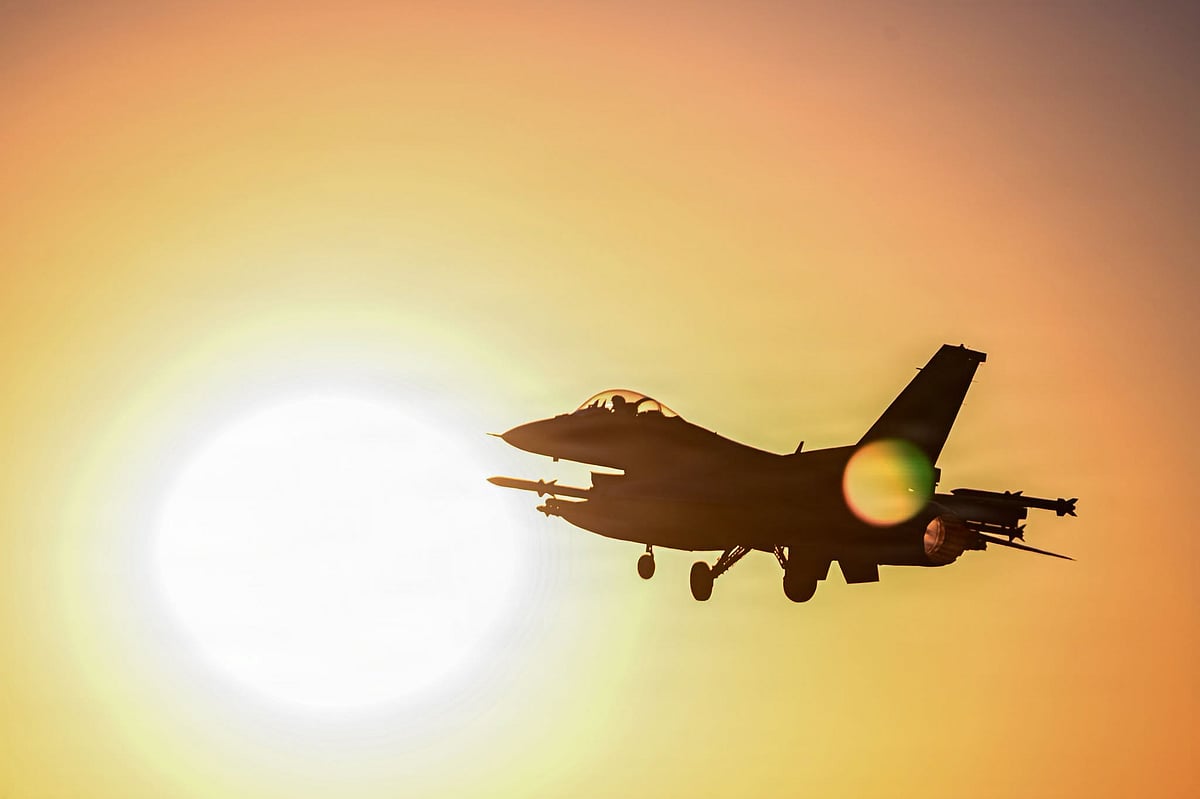
The United States has initiated a third wave of attacks in Iran, according to U.S. Central Command (CENTCOM). This action follows an incident where Iran's Islamic Revolutionary Guard Corps (IRGC) attacked a commercial vessel flying the flag of Cyprus in the Strait of Hormuz. The IRGC's aggression in this critical waterway has escalated regional tensions. CENTCOM's announcement indicates a significant development in the ongoing conflict. The specific targets and objectives of this third wave of U.S. strikes have not yet been fully detailed. However, the engagement in the Strait of Hormuz, a vital chokepoint for global oil transit, underscores the strategic importance of the area. This escalation raises concerns about broader regional stability and potential impacts on international shipping lanes. The situation remains fluid, with further developments anticipated.
The escalating military actions between the U.S. and Iran, particularly involving the Strait of Hormuz, highlight the persistent strategic competition in the region. The IRGC's targeting of commercial shipping, even if not directly linked to U.S. assets, serves to disrupt global trade and project power, potentially aiming to influence international perceptions and diplomatic leverage. The U.S. response, framed as a third wave of attacks, suggests a calculated escalation strategy designed to deter further aggression while managing the risk of wider conflict. Future developments will likely depend on the perceived effectiveness of these reciprocal actions in altering each party's strategic calculus and their ability to manage the inherent risks of miscalculation in such a volatile environment. The long-term implications for regional security architecture and global energy markets remain a critical consideration.
AI-generated to prompt reflection — not editorial opinion, not advice, not a statement of fact. How this works.