US lawmakers allege China uses UN peacekeeping for espionage
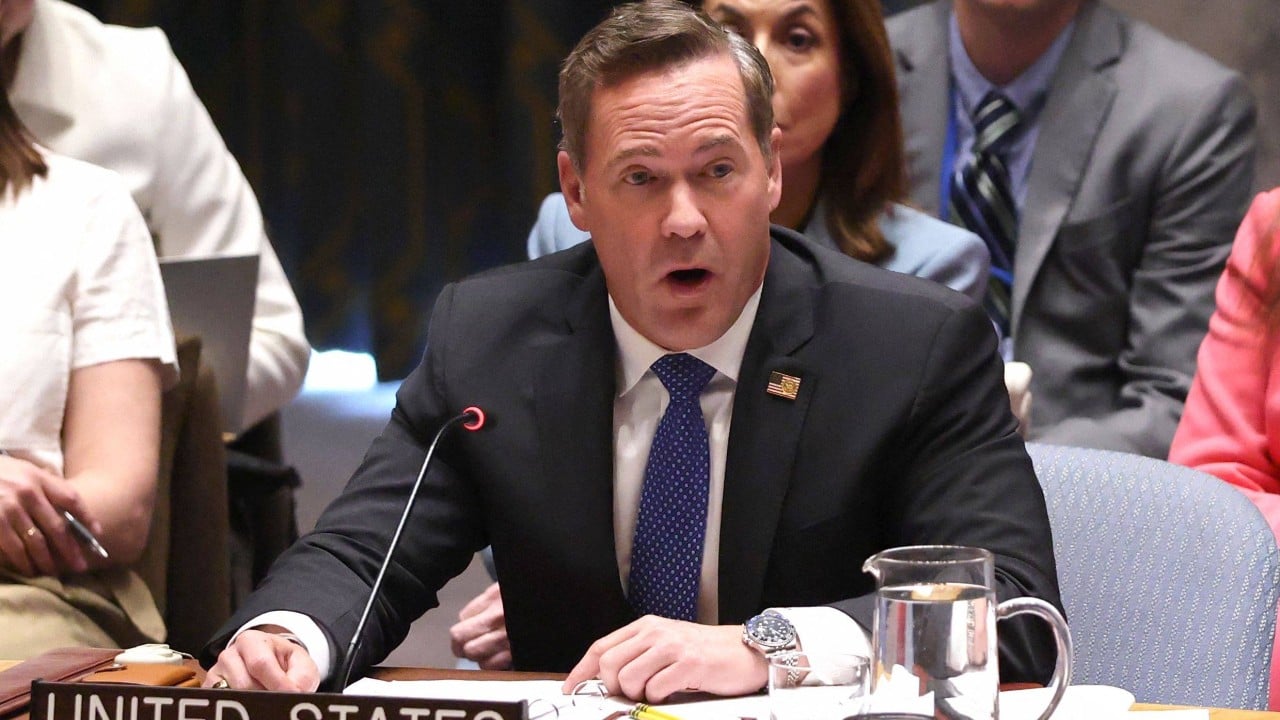
US lawmakers have accused China of leveraging its participation in United Nations peacekeeping operations to conduct espionage against other nations. During a Congressional hearing, concerns were raised about China's expanding influence within the UN, with allegations that its peacekeeping deployments are strategically positioned. These locations, according to Sheri Biggs, a representative involved in the discussion, are often situated in sensitive regions. Specifically, these areas include corridors associated with China's Belt and Road Initiative, proximity to vital ports, significant mineral resource deposits, and locations identified as existing or potential military basing sites. The hearing also became a point of contention in a partisan debate regarding US President Donald Trump's policies on Iran.
The assertion that China utilizes UN peacekeeping missions for intelligence gathering, particularly in strategically sensitive areas linked to its Belt and Road Initiative, warrants careful examination. From a geopolitical perspective, such deployments could offer dual-use advantages, balancing national security interests with international obligations. The framing of this issue within a partisan US political context highlights the complex interplay between domestic policy debates and foreign relations. Future international cooperation frameworks may need to address transparency and oversight mechanisms for all member states' contributions to UN peacekeeping to mitigate potential risks and ensure the integrity of multilateral security efforts.
AI-generated to prompt reflection — not editorial opinion, not advice, not a statement of fact. How this works.