US Lawmakers Exit Amidst Redistricting Changes
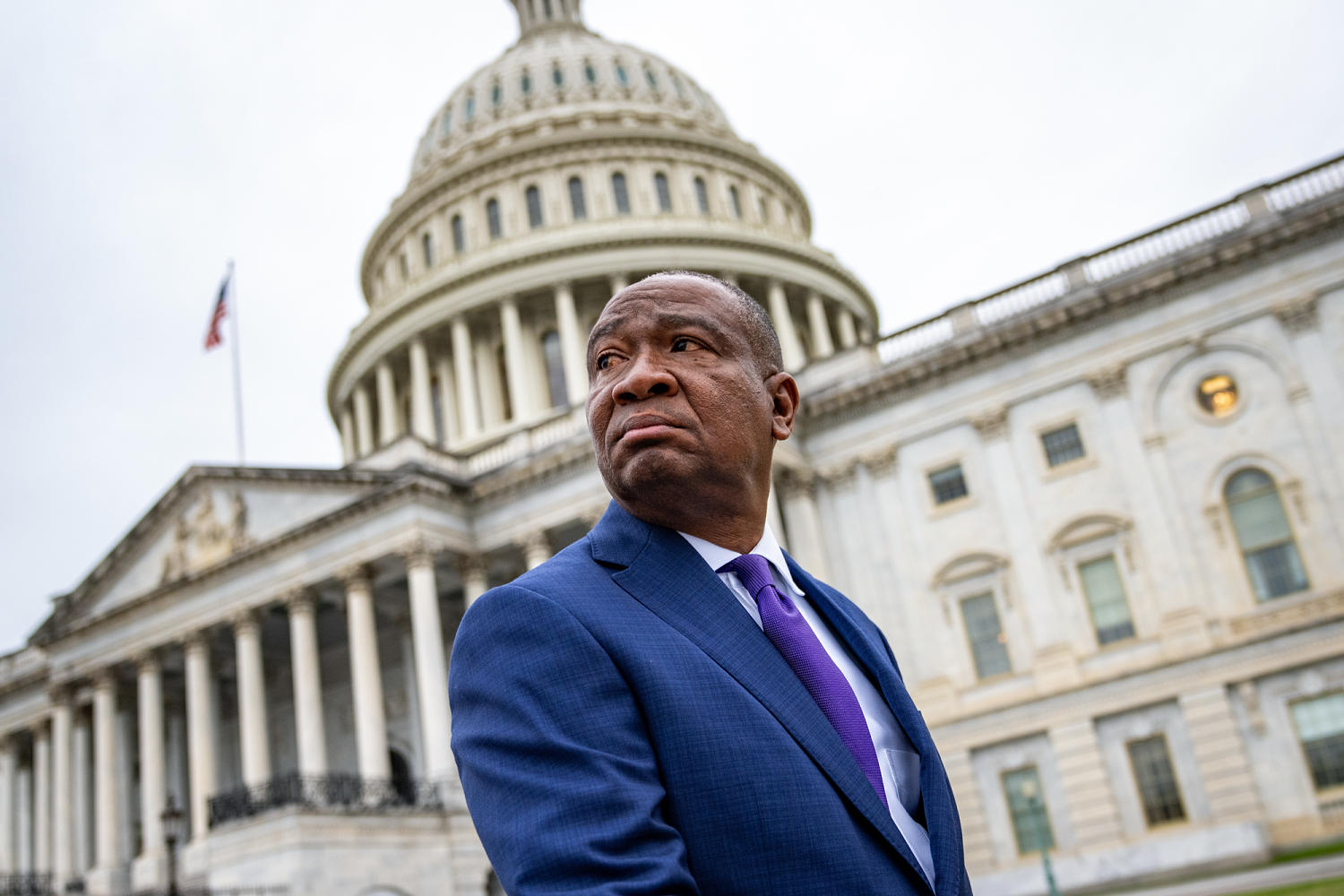
The current election cycle is witnessing an increasing number of United States lawmakers choosing to retire from their positions. This trend is significantly influenced by the ongoing redistricting process, which redraws congressional and state legislative district boundaries. These boundary changes can create more competitive races or make districts safer for one party, often impacting the electoral prospects of incumbent politicians. As a result, some lawmakers may opt to leave office rather than face an uncertain electoral future in a newly drawn district. The "Politics Desk" is highlighting this growing phenomenon, suggesting it is a notable development in the political landscape for this election.
The phenomenon of incumbent retirements, amplified by redistricting, reflects a dynamic interplay between electoral geography and political strategy. Redrawn districts can disrupt established power bases, forcing incumbents to either adapt to new constituent demographics or confront potentially stronger challengers. This strategic calculus, driven by the desire to maintain political careers, highlights the inherent tension between the stability of incumbency and the fluidity of electoral boundaries. Over the next decade, as demographic shifts and technological advancements continue to influence political alignment, such redistricting-induced retirements may become a more pronounced feature of the electoral cycle, prompting a reevaluation of candidate recruitment and campaign strategies.
AI-generated to prompt reflection — not editorial opinion, not advice, not a statement of fact. How this works.