US Lawmakers Urge Sanctions Relief for Venezuela Amidst Earthquake Emergency
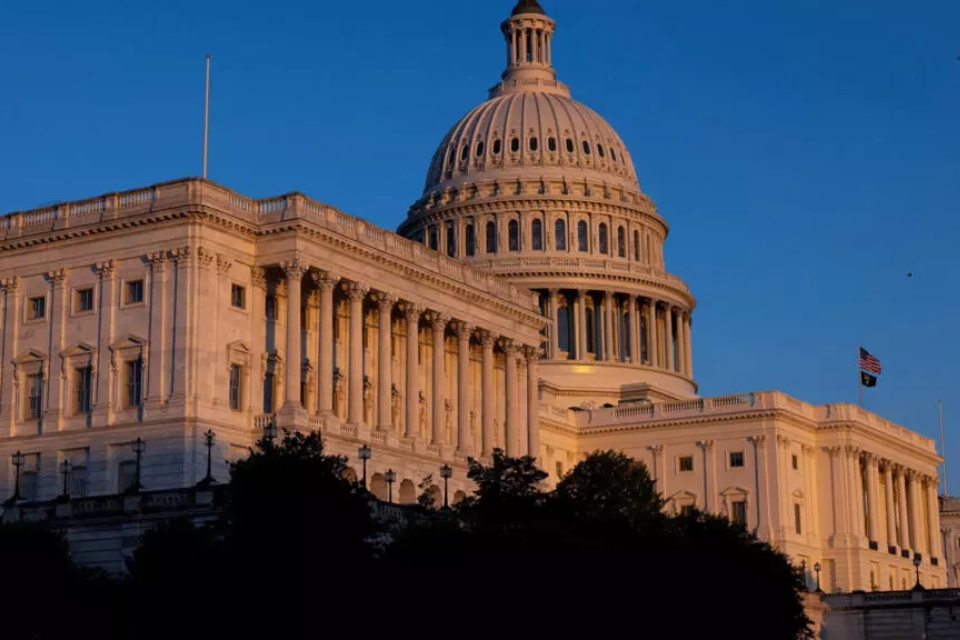
Fourteen members of the US Congress have formally requested the lifting of sanctions against Venezuela, citing the urgent need for humanitarian aid following recent earthquakes. The lawmakers, identified as Democrats, highlighted that Venezuela is currently under Washington's oversight following a US military operation on January 3rd aimed at capturing Nicolás Maduro. They argued that by asserting control over the country's administration, the US government assumes a responsibility that necessitates the easing of economic restrictions. This call for sanctions relief is framed within the context of addressing the immediate needs arising from the natural disaster. The congressmen believe that the current sanctions impede the country's ability to respond effectively to the emergency and to begin recovery efforts. Their appeal suggests a strategic shift in US policy towards Venezuela, prioritizing humanitarian concerns over punitive measures in light of the seismic events.
The request by US congressmen to lift sanctions on Venezuela, prompted by earthquake-related emergencies, introduces a complex interplay between geopolitical strategy and humanitarian imperatives. This situation highlights a potential contradiction: while sanctions are often imposed to exert political pressure, their continuation could inadvertently hinder disaster relief and recovery efforts, impacting civilian populations disproportionately. The argument that US oversight necessitates sanctions relief frames the issue around responsibility and governance. Moving forward, policymakers face the challenge of balancing long-term foreign policy objectives with the immediate, life-saving requirements of a population affected by natural disasters. The decision will likely reflect evolving assessments of Venezuela's internal dynamics and the efficacy of sanctions as a tool for achieving US foreign policy goals in the coming decade.
AI-generated to prompt reflection — not editorial opinion, not advice, not a statement of fact. How this works.