US Lawmakers Urge Trump to Probe EU Tech Rules for Unfair Impact on American Firms
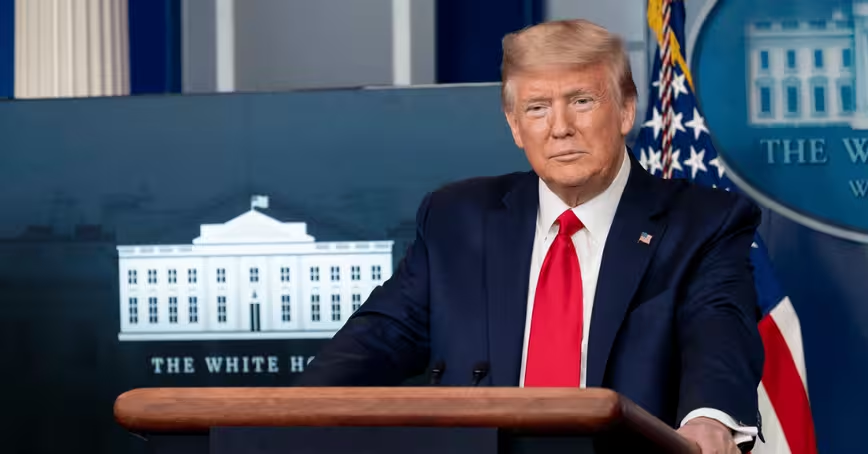
A bipartisan group of U.S. lawmakers has called on President Donald Trump to initiate a formal trade investigation into the European Union's major technology regulations. The lawmakers argue that the enforcement of these EU laws disproportionately affects American companies. They believe this situation warrants a retaliatory response utilizing U.S. trade authority. The concerns were detailed in a letter, which was reported on Tuesday. The specific regulations in question are the EU's two flagship technology laws. The lawmakers' push suggests a potential invocation of Section 301 of the Trade Act of 1974, which allows the U.S. to investigate and respond to unfair trade practices. This action could escalate trade tensions between the U.S. and the EU over digital policy. The letter highlights a growing sentiment among some U.S. legislators that the EU's regulatory approach to technology is designed to disadvantage foreign, particularly American, businesses. The outcome of this potential investigation could have significant implications for global tech trade and regulation.
This situation highlights the ongoing tension between national regulatory approaches to technology and the global nature of the digital economy. Lawmakers are leveraging trade enforcement mechanisms to address perceived competitive disadvantages stemming from foreign regulations. The core issue appears to be the extraterritorial reach and impact of the EU's Digital Services Act and Digital Markets Act. From a systemic perspective, this could indicate a broader trend of geopolitical competition manifesting through regulatory and trade policy, particularly as nations grapple with the market power of large technology firms. The U.S. action, if pursued, may prompt a re-evaluation of regulatory harmonization efforts or, conversely, lead to further fragmentation of the global digital landscape, impacting innovation and market access for companies on both sides of the Atlantic.
AI-generated to prompt reflection — not editorial opinion, not advice, not a statement of fact. How this works.