US-led Rimpac Drills Foster Closer Defense Ties Between Japan and South Korea
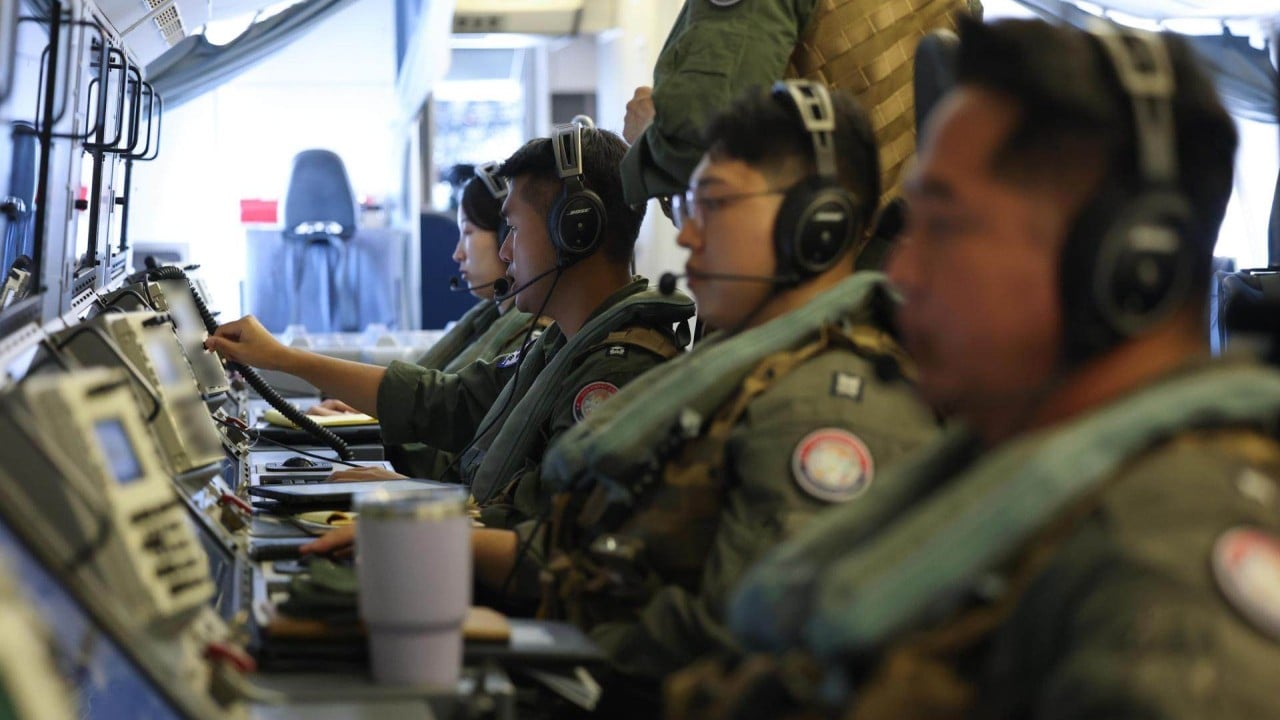
The recent Rim of the Pacific (Rimpac) military exercises, led by the United States, have highlighted the significant roles played by Japan and South Korea. These large-scale drills, the world's biggest maritime exercise, involved 30 nations and over 30,000 troops, along with numerous aircraft and vessels. Held in waters near Hawaii from June 24th, the exercises have intensified speculation about the potential for deeper defense cooperation between Japan and South Korea. This increased collaboration could occur despite historical differences that have previously strained their bilateral relationship. The participation of both East Asian nations in such a prominent US-led event suggests a growing alignment in their strategic interests within the Indo-Pacific region. Observers are closely watching to see if this participation will translate into more concrete defense partnerships.
The US-led Rimpac exercises serve as a significant platform for multilateral security engagement, potentially recalibrating regional defense architectures. The increased participation and prominence of Japan and South Korea, despite their historical bilateral tensions, suggests a strategic convergence driven by evolving geopolitical imperatives in the Indo-Pacific. This dynamic may reflect a broader trend of nations seeking enhanced collective security capabilities in response to perceived regional challenges. The long-term implications for regional stability will depend on whether this enhanced cooperation can overcome historical grievances and institutionalize into sustainable defense partnerships, fostering a more integrated security framework for the coming decade.
AI-generated to prompt reflection — not editorial opinion, not advice, not a statement of fact. How this works.