US Limits F-1 Student Visas to Four Years for International Students
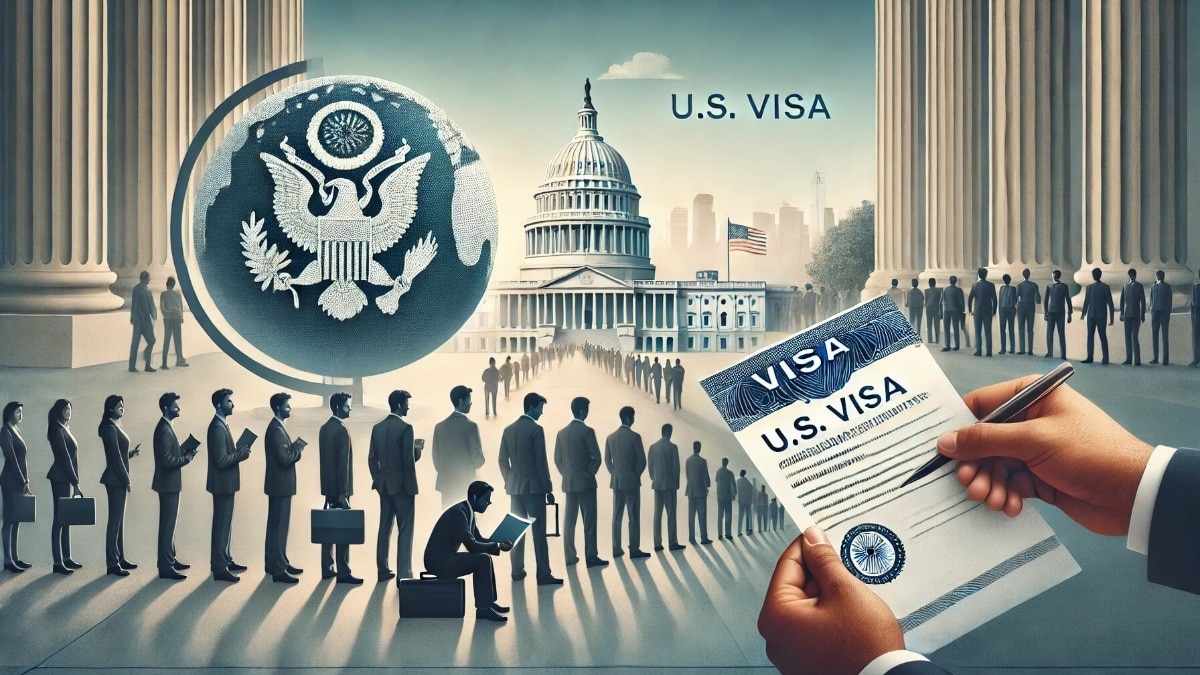
The U.S. Department of Homeland Security has implemented a new regulation affecting international students studying in the United States. Under this new rule, the maximum duration for an F-1 student visa has been restricted to four years. This change impacts foreign students pursuing academic programs within the U.S., potentially altering their long-term study plans. The F-1 visa is typically granted to individuals seeking to enter the U.S. temporarily for the purpose of pursuing a full course of study at an approved institution. The duration of the visa is usually tied to the length of the academic program. This new four-year limit signifies a notable shift in U.S. immigration policy concerning student visas. It is expected to affect a significant number of students, particularly those enrolled in longer degree programs or facing unforeseen academic delays. The department has not yet detailed specific provisions for extensions or exceptions to this new four-year cap.
The U.S. Department of Homeland Security's decision to cap F-1 student visas at four years introduces a structural constraint on international students' academic timelines. This policy shift may incentivize more efficient program completion and could influence institutional recruitment strategies by altering the perceived long-term viability of studying in the U.S. From a global perspective, such regulations can affect the competitiveness of U.S. higher education institutions in attracting international talent, potentially leading to a redistribution of students towards countries with more flexible visa policies. The long-term implications for knowledge exchange and the global innovation ecosystem warrant consideration as these policies evolve.
AI-generated to prompt reflection — not editorial opinion, not advice, not a statement of fact. How this works.