US Limits International Student Stays to Four Years Under New Trump Administration Rule
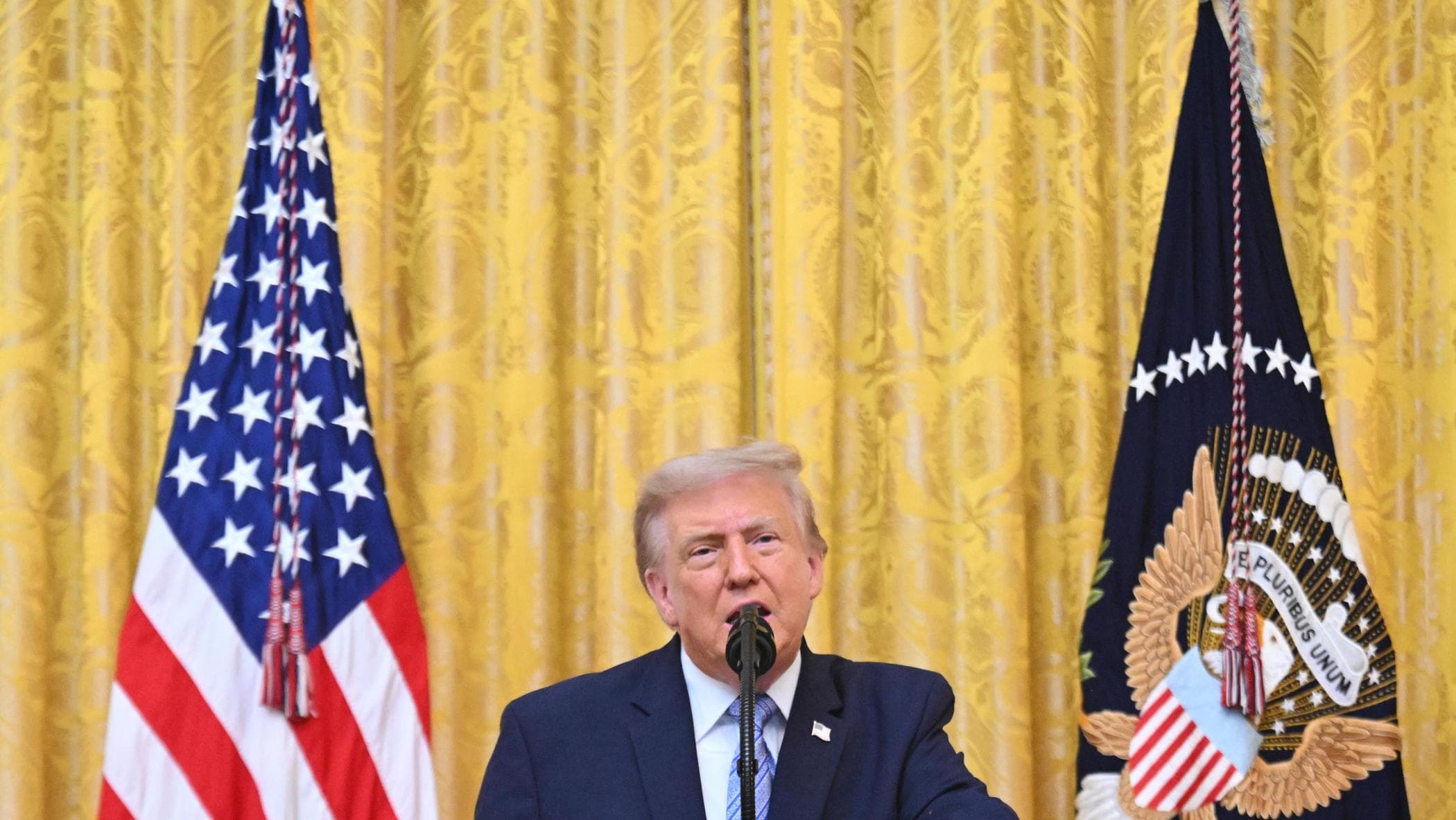
Starting in September, the Trump administration has implemented a new regulation that caps the maximum stay for international students in the United States at four years. This measure is part of a broader effort by the Republican administration to restrict non-permanent immigration. The rule aims to limit the duration that foreign students can remain in the country, potentially impacting their ability to complete extended academic programs or pursue further opportunities. This policy change is expected to affect a significant number of students who come to the U.S. for higher education. The administration's stated goal is to manage immigration flows and enforce existing regulations more strictly. The four-year limit applies to the period students can legally reside in the U.S. for their studies.
This policy shift by the U.S. administration introduces a fixed time constraint for international students, potentially impacting the global competitiveness of American higher education institutions. By limiting student visas to a four-year term, the U.S. may inadvertently encourage students to seek educational opportunities in countries with more flexible post-study work and stay regulations. Such measures, framed within immigration control, could have long-term economic consequences by reducing the pool of highly skilled individuals who might otherwise contribute to the U.S. workforce or innovation ecosystem after graduation. The administration's focus on limiting non-permanent residency, while potentially addressing specific immigration concerns, may overlook the significant economic and cultural benefits international students bring.
AI-generated to prompt reflection — not editorial opinion, not advice, not a statement of fact. How this works.