US links tariff reduction to concessions for American firms in key sectors
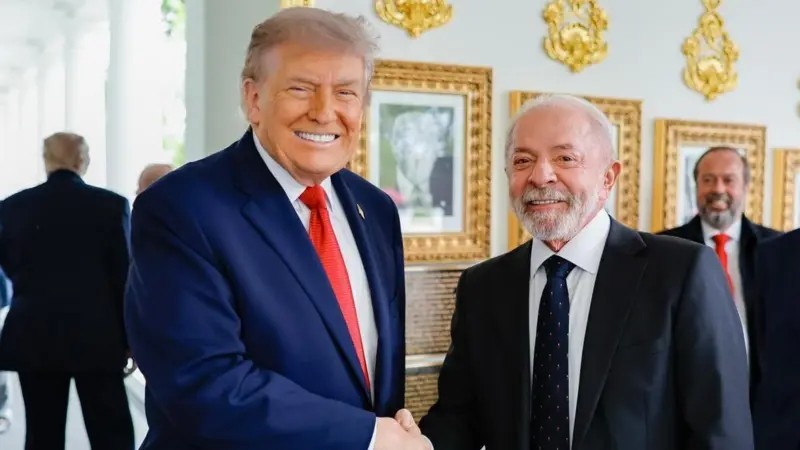
The United States has conditioned a potential reduction of its new tariffs on Brazilian goods to Brazil granting concessions for American companies in specific sectors. These sectors include industrial goods, chemicals, aerospace, and automotive, with the US seeking zero tariffs for its companies in these areas. This proposal was added to previous US demands, such as eliminating tariffs on ethanol, not regulating digital platforms, and including Brazil's instant payment system, PIX, in negotiations. Some officials within the Brazilian government consider this proposal "undignified" and "unacceptable," warning that accepting it would have a greater negative economic impact on Brazil than the new tariffs themselves, which are set to affect 18% of Brazilian exports to the US. The new tariffs are scheduled to take effect on July 22. The decision to impose these tariffs has sparked a debate in Brazil regarding responsibility, with the opposition blaming President Luiz Inácio Lula da Silva for negotiation failures, while the government attributes the measure to ideological and political motivations. Despite over 30 contacts made by Brazilian diplomacy since the original tariff announcement, including presidential-level discussions, some in Lula's government believe the US State Department may be hindering negotiations ahead of Brazil's elections. Nevertheless, the Brazilian government intends to maintain dialogue channels to mitigate the impact on affected sectors, aiming to proceed cautiously and observe the actions of American stakeholders. A Brazilian negotiator suggested that the US is seeking arguments to use against Brazil at this time.
The US tariff proposal appears to leverage economic pressure to achieve strategic market access for its corporations, potentially creating a conflict between national economic interests and bilateral trade relations. This approach highlights a broader trend of using trade policy as a tool for geopolitical influence, especially in the context of upcoming elections in Brazil. The Brazilian government faces a complex challenge: balancing domestic economic stability and sovereignty against the demands of a major trading partner. The long-term implications involve navigating the evolving landscape of international trade, where protectionist measures and reciprocal demands are increasingly common, potentially impacting global supply chains and market dynamics for decades to come.
AI-generated to prompt reflection — not editorial opinion, not advice, not a statement of fact. How this works.