US Loses Key China Hawk Senator Lindsey Graham
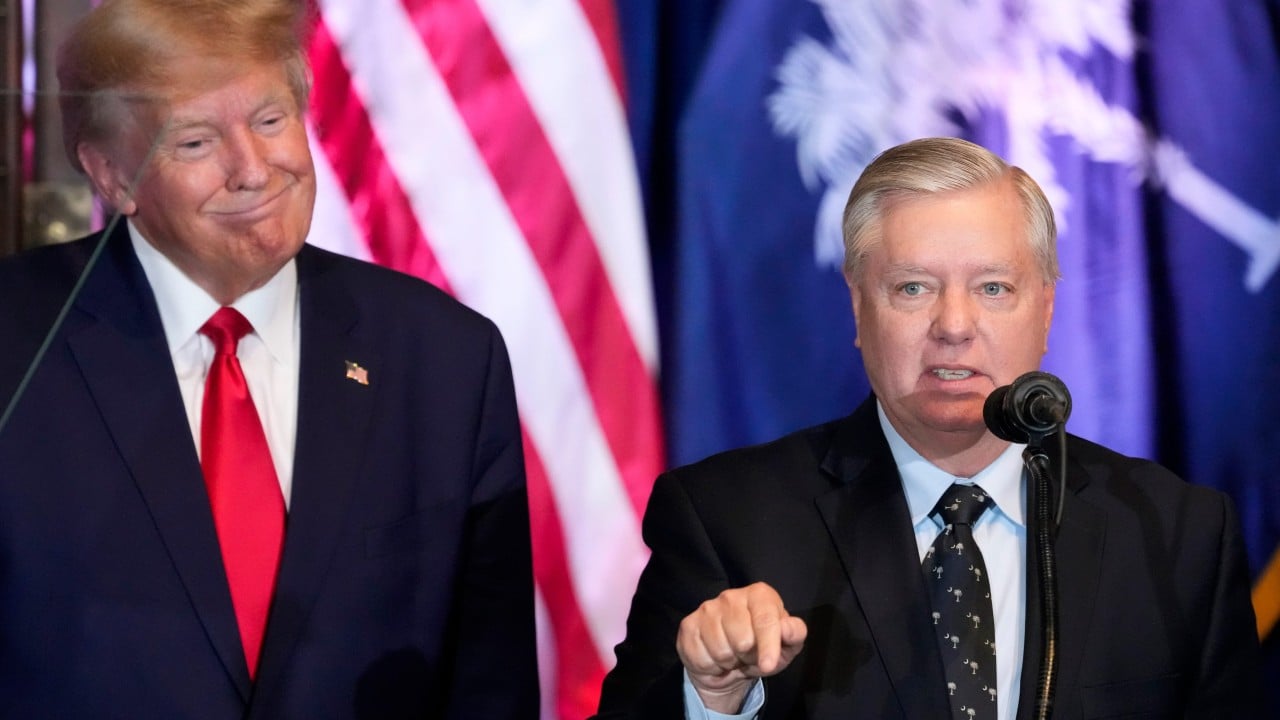
The passing of US Senator Lindsey Graham has eliminated a significant voice in Washington advocating for a tough stance on China. This occurs at a critical juncture as Republicans deliberate on the extent of American confrontation with Beijing and the projection of military power abroad. Graham was a prominent figure known for his influence in shaping policy towards China. His death leaves a void in this ongoing debate. Attention now shifts to South Carolina Governor Henry McMaster, who must appoint a replacement for the vacant Senate seat. Questions arise regarding whether Graham's successor will assume his influential position and continue his advocacy. The specific nature of this role, particularly as a congressional leader, is now open for redefinition. The future direction of US policy towards China may be impacted by this change in representation.
Senator Graham's absence removes a prominent proponent of a hawkish stance on China from the US Senate. This event prompts a re-evaluation of policy direction and the influence of specific viewpoints within the Republican party and Congress. The selection of his successor by Governor McMaster will be crucial in determining whether this established perspective on China policy is maintained or shifted. The dynamic interplay between legislative priorities, geopolitical considerations, and domestic political pressures will shape the future approach to US-China relations. This transition offers an opportunity to assess the long-term strategic implications of varying policy approaches and their potential impact on global stability and economic engagement over the next decade.
AI-generated to prompt reflection — not editorial opinion, not advice, not a statement of fact. How this works.