US Maintains Pressure on Iran in Strait of Hormuz Amidst Ongoing Military Maneuvers
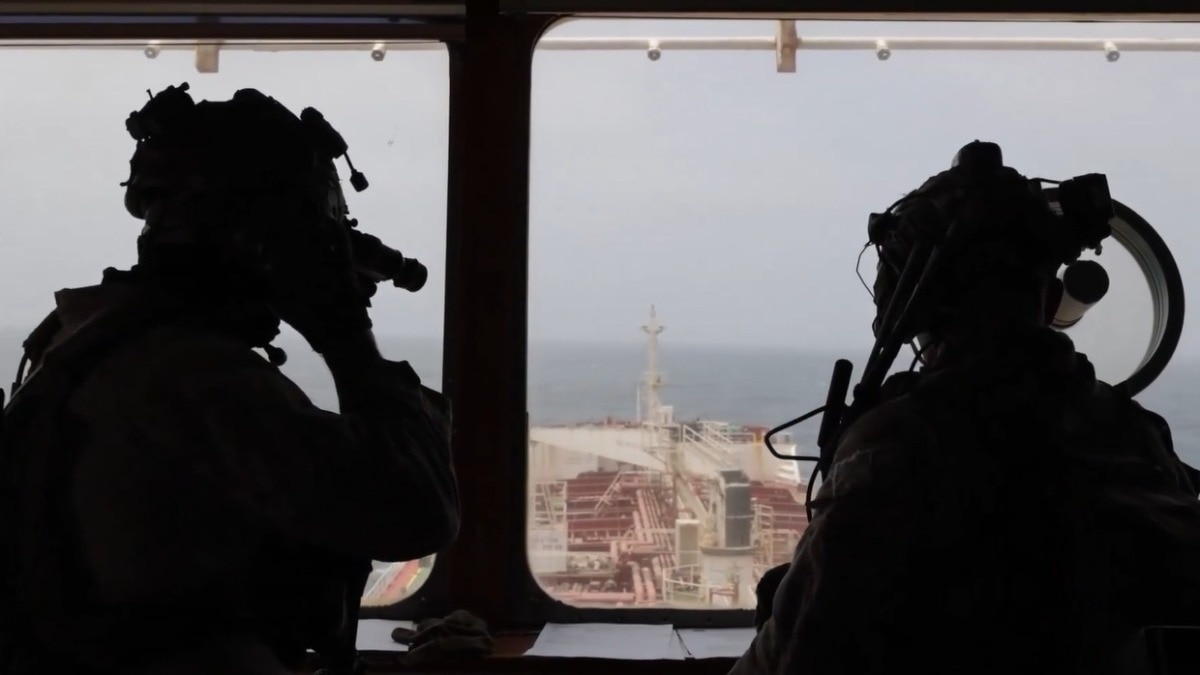
While the United States has not conducted an airstrike on Iran for the first time in 13 days, its pressure in the Strait of Hormuz and the Gulf of Oman is steadily increasing. The U.S. Navy has intercepted several vessels heading towards Iran, disabling some and conducting boarding operations. This heightened activity occurs as President Trump continues to deliberate military options. The U.S. naval presence aims to assert control and influence in this critical waterway, a key chokepoint for global oil trade. The actions suggest a strategic effort to deter Iranian activities and maintain maritime security in the region. The ongoing military posture indicates a persistent focus on Iran, despite the temporary pause in direct aerial assaults.
The U.S. strategy in the Strait of Hormuz appears to be a calibrated approach, shifting from direct aerial engagement to maritime interdiction and boarding operations. This tactic allows for continued pressure on Iran without escalating to overt aerial attacks, potentially managing domestic and international perceptions. The focus on controlling maritime traffic and disabling vessels suggests an emphasis on economic and logistical disruption as a primary tool of influence. This approach leverages naval power to enforce sanctions and deter perceived threats, reflecting a broader geopolitical strategy of containment. The ongoing deliberation of military options by President Trump indicates a readiness to escalate if deemed necessary, underscoring the volatile nature of the regional security landscape.
AI-generated to prompt reflection — not editorial opinion, not advice, not a statement of fact. How this works.