US May Target Diaspora Remittances Under Trump Administration
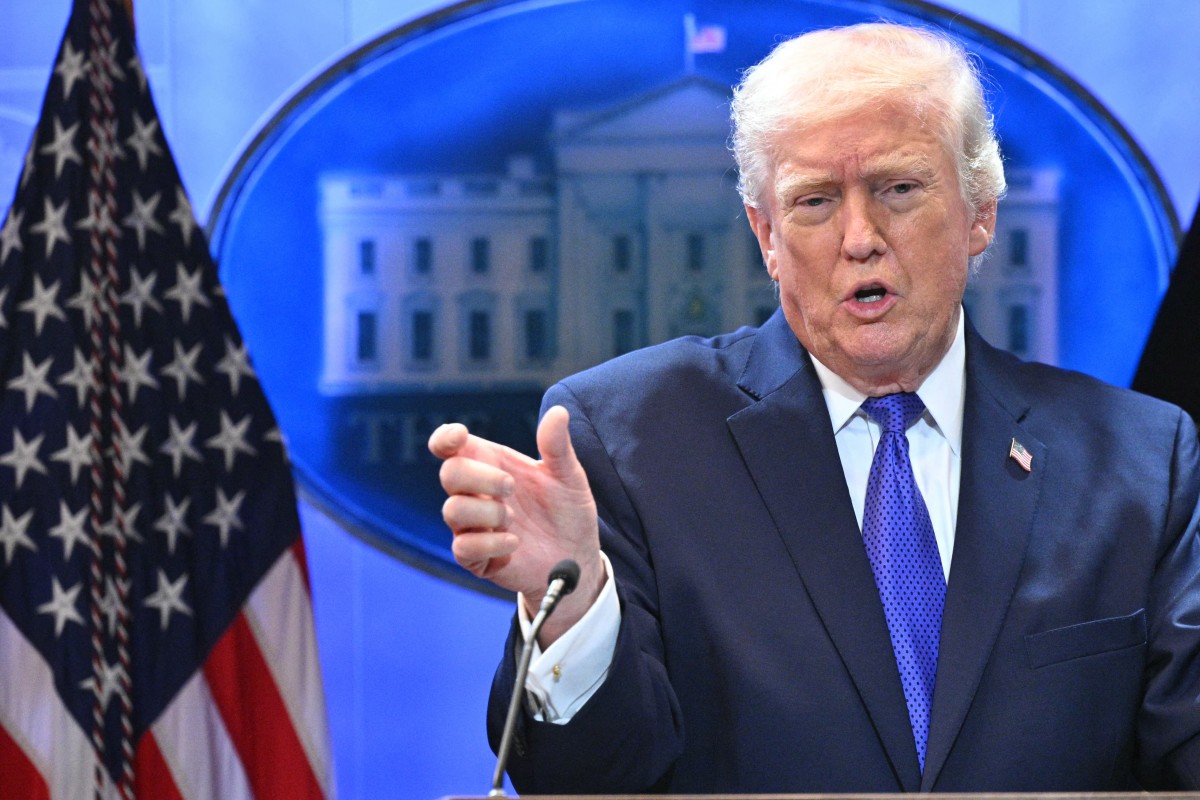
The United States may consider targeting remittances sent by diaspora communities as part of its foreign policy and national security strategy under a potential Trump administration. This approach could involve scrutinizing or restricting the flow of money from individuals in the U.S. to their home countries, particularly if those countries are deemed to be supporting adversaries or engaging in activities contrary to U.S. interests. Such a policy could have significant economic implications for many developing nations that rely heavily on these funds. The article raises questions about the potential effectiveness and ethical considerations of using diaspora remittances as a tool of foreign policy. It also touches upon the broader implications for financial institutions and the individuals involved in sending or receiving these funds. The effectiveness and fairness of such measures would likely be debated, considering the humanitarian aspect of remittances and their role in supporting families and economies abroad. The potential for unintended consequences, such as driving remittances underground or impacting legitimate financial flows, is also a concern.
The potential for a U.S. administration to scrutinize diaspora remittances presents a complex interplay of national security, economic policy, and humanitarian concerns. From a national security perspective, such measures could be framed as a means to disrupt funding for illicit activities or state actors deemed hostile. However, this approach risks oversimplifying the diverse motivations behind remittances, which often serve as vital lifelines for families and communities in recipient countries. The economic ramifications could be substantial, potentially destabilizing economies reliant on these inflows and impacting millions of individuals. Furthermore, implementing such policies could create significant compliance burdens for financial institutions and may inadvertently push remittance flows into less regulated channels, undermining transparency and control. A balanced approach would require careful consideration of the potential for unintended consequences and a thorough assessment of alternative strategies for achieving foreign policy objectives without unduly harming vulnerable populations or legitimate economic activity.
AI-generated to prompt reflection — not editorial opinion, not advice, not a statement of fact. How this works.