US Measles Cases Surge to Record Highs Amidst Declining Vaccination Rates
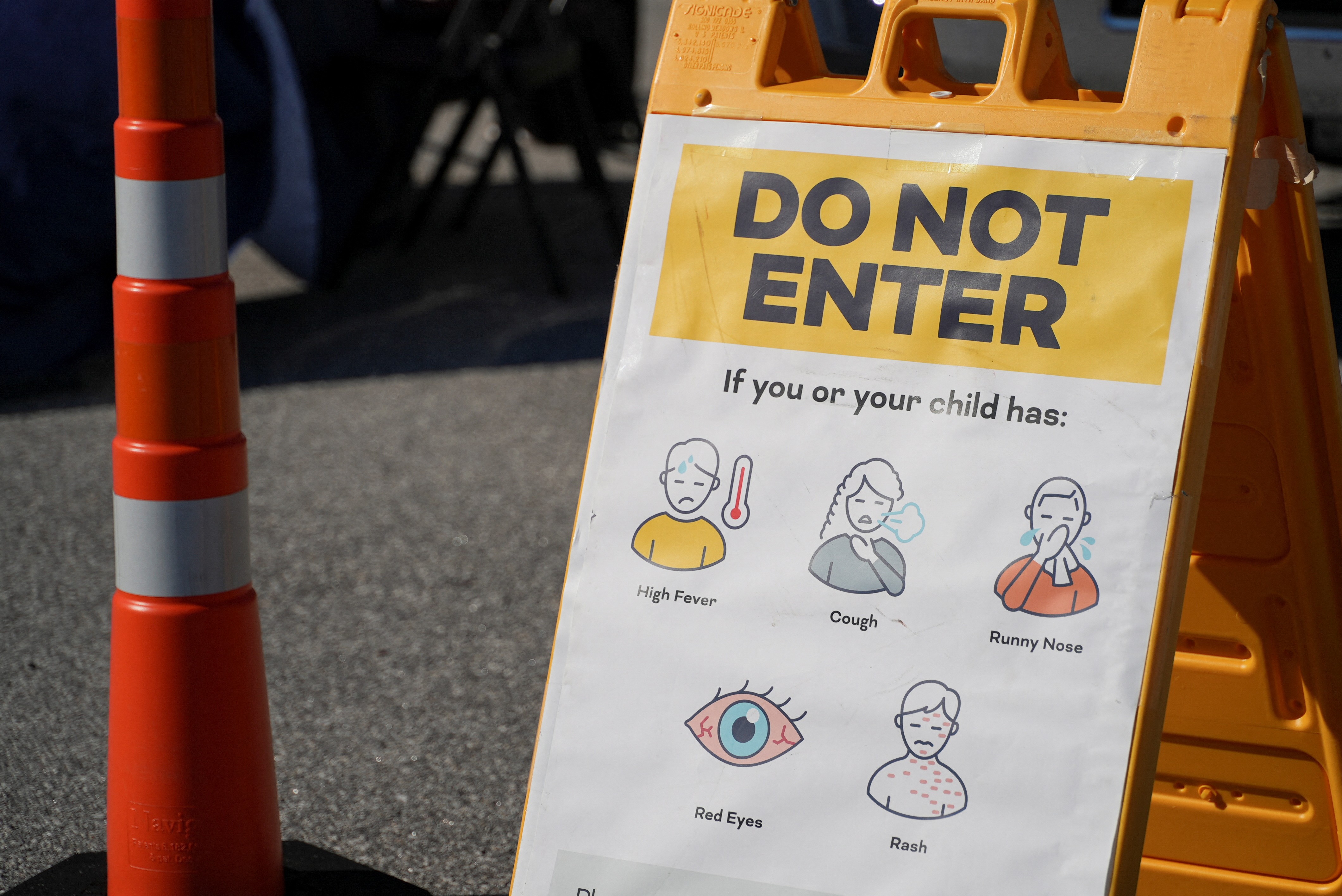
The United States has recorded over 2,295 measles cases in the first six months of the year, surpassing the total for all of 2025 and marking the highest increase in 35 years. Measles has now affected 44 out of 50 states, with outbreaks concentrated in South Carolina and Utah. This resurgence is attributed to a decline in vaccination rates, with 95% of current cases involving unvaccinated or unknown vaccination status individuals. The herd immunity threshold of 93% for young children's vaccination has not been met, dropping from over 95% in 2020. The affected population is diverse, with nearly half of infections occurring in individuals aged 5 to 17, and about 30% in adults, while those under five constitute less than a fifth of cases. The decline in vaccination is a long-standing trend, exacerbated by a 2000 study linking the MMR vaccine to autism, which, despite being retracted for scientific fraud, fueled anti-vaccine sentiment amplified by the internet and advocacy groups like Children's Health Defense, founded by Robert Kennedy Jr. The COVID-19 pandemic further intensified vaccine hesitancy, particularly among Republican voters, with a significant increase in those believing parents should have the right to opt out of vaccinating their children. The official eradication of measles in 2000, while reducing perceived risk, has also contributed to complacency. Public health officials, including those within the CDC, have faced restructuring and changes in advisory committees, with a reduction in recommended childhood vaccines from 17 to 11 in January of this year, excluding vaccines for flu, hepatitis A and B, meningococcus, bronchiolitis, and rotavirus, following the removal of the COVID-19 vaccine recommendation.
The current surge in measles cases in the U.S. highlights a critical public health challenge stemming from declining vaccination rates, which have fallen below the threshold necessary for herd immunity. This trend, exacerbated by historical misinformation campaigns and amplified by social media and political polarization, demonstrates the fragility of public trust in scientific institutions and medical consensus. The systemic issue is not merely the presence of misinformation but the erosion of robust communication channels and the weakening of public health infrastructure's capacity to counter it effectively. Looking ahead, the increasing interconnectedness of global society and the persistent threat of novel pathogens necessitate a proactive approach to vaccine confidence, emphasizing transparent scientific communication, community engagement, and a re-evaluation of how public health guidance is disseminated and received in an era of decentralized information.
AI-generated to prompt reflection — not editorial opinion, not advice, not a statement of fact. How this works.