US-Mexico Relations Sour Two Years After Cartel Leader El Mayo's Arrest
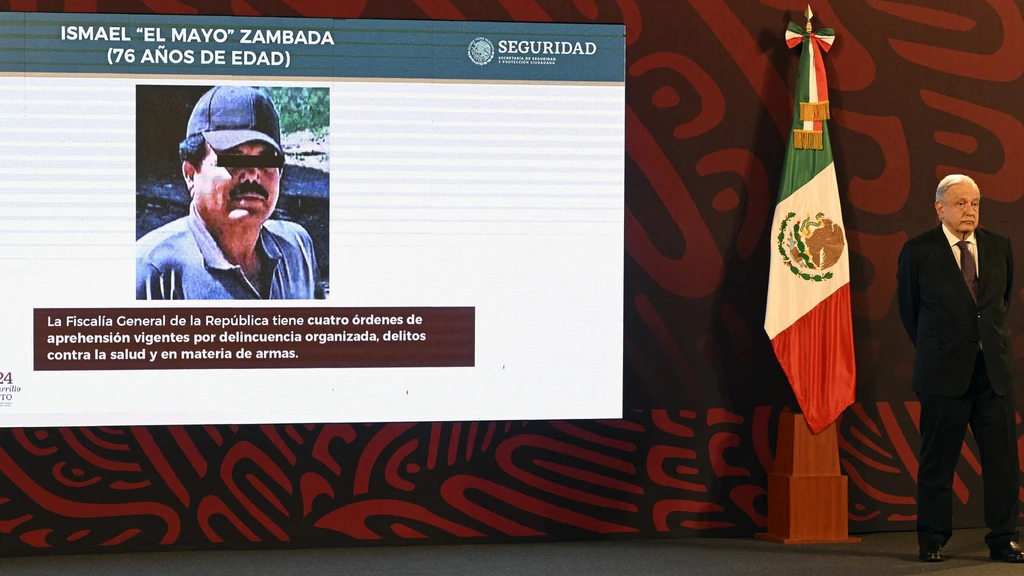
Two years after the high-profile arrest of Mexican cartel leader Ismael 'El Mayo' Zambada, tensions between the United States and Mexico have reached a low point. Zambada, a co-founder of the Sinaloa Cartel with 'El Chapo,' pleaded guilty and faces a likely life sentence, with a New York court set to deliver its verdict. His arrest in July 2024 involved him being lured to a ranch in Sinaloa by one of 'El Chapo's' sons, Joaquín Guzmán López, then flown to Texas and handed over to the FBI. The FBI maintains this was a voluntary surrender by Guzmán López seeking a lighter sentence, not a US-orchestrated operation, a claim Mexico has long doubted.
Doubts intensified this month when the plane used in the arrest was displayed in a New Mexico museum, with accompanying text describing a "complex, covert, and daring arrest" by FBI agents. This prompted Mexican prosecutors to launch an investigation into the FBI's role, with President Claudia Sheinbaum stating that any US agency involvement would violate international treaties and the Mexican constitution. The escalating dispute highlights the immense pressure the US exerts on Mexico to combat drug cartels, a pressure exacerbated by the US focus on corrupt Mexican politicians and revoked visas for several governors. The situation is further complicated by reports of high-ranking Mexican politicians acting as informants for the US, sharing information on colleagues to preempt investigations. This intelligence sharing, alongside Mexico's extradition of around a hundred high-ranking cartel members who then strike deals for reduced sentences, fuels US investigations into corruption. The US also maintains direct contact with cartel figures, reportedly pressuring the remaining 'Chapitos' to surrender amidst their conflict with Zambada's son, weakening the 'Chapitos' faction. Mexico's frustration grows over the lack of transparency regarding US operations and intelligence sharing, pushing President Sheinbaum's administration to its limits and potentially eroding Mexican sovereignty and domestic support.
The US-Mexico relationship is strained by differing approaches to cartel enforcement and sovereignty. The US prioritizes direct action and intelligence gathering, including potentially extralegal operations and pressure on Mexican officials, while Mexico emphasizes its constitutional and treaty obligations, viewing US actions as intrusive. This dynamic creates a cycle of mistrust, where US demands for greater cooperation on drug interdiction and corruption investigations are met with Mexican concerns over national sovereignty and transparency. The US strategy, driven by domestic political pressures and a desire for rapid results, risks alienating its partner, potentially undermining long-term stability and cooperation in the region. Future US policy may need to balance its immediate security objectives with respect for Mexican governance to foster a more sustainable and effective partnership.
AI-generated to prompt reflection — not editorial opinion, not advice, not a statement of fact. How this works.