US Military Escalates Attacks on Iran, Prepares Naval Blockade of Ports
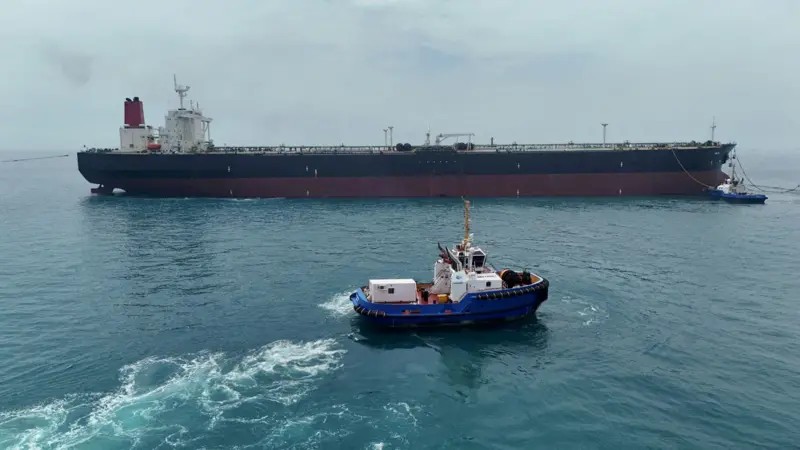
The United States military announced a new series of strikes targeting southern Iranian coastal sites on Tuesday, May 14th. Concurrently, Washington is set to reimpose a comprehensive naval blockade on Iranian ports and coastal regions starting at 5 PM Brasília time. These attacks, which have been ongoing for four consecutive days, aim to degrade Iran's capabilities used for targeting commercial shipping in the Strait of Hormuz. The strikes are occurring as U.S. forces prepare to reinstate the naval blockade. This escalation follows a period of deteriorating negotiations after a ceasefire agreement in June. It also comes shortly after U.S. President Donald Trump declared an intention to seize control of the Strait of Hormuz. Earlier on Tuesday, Trump rescinded his proposal to impose a 20% toll on goods transported by ships transiting the Strait, opting instead for trade and investment agreements with Persian Gulf nations. However, the naval blockade of the strait will remain in effect. On Monday, May 13th, amidst renewed exchanges of fire with Iran, Trump stated the U.S. would "take control" of the Strait of Hormuz, a critical global route for oil and gas transport. His earlier announcement of the 20% tariff on goods passing through the channel had caused oil prices to surge to a one-month high.
The U.S. military's actions, including escalated strikes and the impending naval blockade of Iranian ports, represent a significant shift in geopolitical strategy concerning the Strait of Hormuz. While framed as a response to Iranian actions against commercial shipping, these measures carry substantial implications for global energy markets and regional stability. The U.S. administration's stated intent to control the strait and its associated trade routes, coupled with the imposition of economic pressures like tariffs and blockades, suggests a broader objective of exerting leverage over Iran's economic and strategic capabilities. The fluctuating policy announcements, such as the reversal on the toll but continuation of the blockade, highlight the complex interplay of diplomatic signaling and military posturing. Looking ahead, such assertive actions risk further entrenching regional tensions and could trigger retaliatory measures, potentially impacting international trade and energy security for years to come. The long-term sustainability of these policies will depend on their effectiveness in achieving strategic goals without causing disproportionate economic or humanitarian consequences.
AI-generated to prompt reflection — not editorial opinion, not advice, not a statement of fact. How this works.