US Military's Testosterone Testing Plan Questioned Amidst Rising Prescriptions
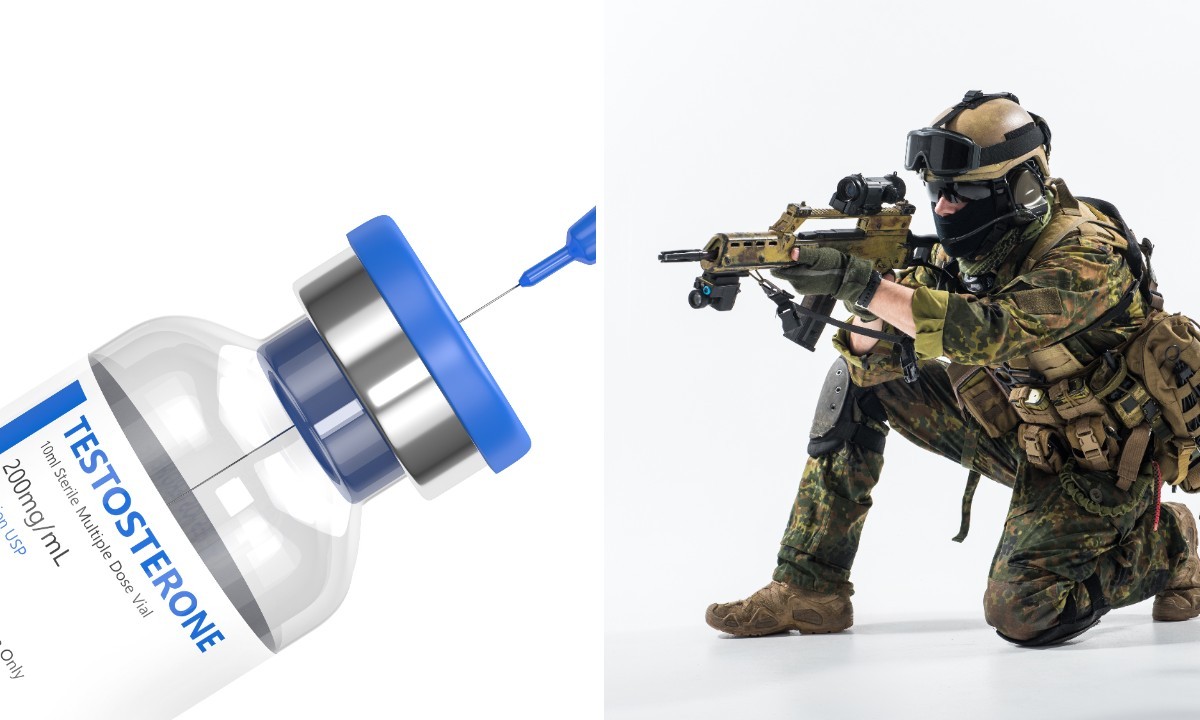
The U.S. Department of Defense's plan to annually test testosterone levels in service members aged 30 and older, announced by Pete Hegseth in July 2026, has raised questions, particularly regarding the lack of a specified "low" threshold for treatment. This initiative coincides with a national surge in testosterone prescriptions in the U.S., which climbed to nearly 12 million in 2025, a 154% increase since 2020, largely driven by online clinics promoting testosterone for lifestyle enhancement. Experts argue that while testosterone is crucial for male development, higher levels do not inherently translate to increased strength or better soldiering capabilities. Normal testosterone levels in adult males range broadly from approximately 300 to 1,000 nanograms per deciliter, and individual variations within this range do not significantly impact strength, which is more influenced by training, sleep, and diet. Medical professionals typically only test testosterone when symptoms of deficiency arise, as levels fluctuate naturally and can be affected by factors like time of day and season. The author, a psychologist studying masculinity, emphasizes that the intuitive link between more testosterone and enhanced masculinity or combat readiness is largely a misconception. Decades of research indicate only a weak correlation between testosterone levels and aggression, with behavior often influencing hormone levels rather than the reverse. Social pressures and perceived threats to masculinity can be stronger drivers of aggression than testosterone itself. Furthermore, the demanding nature of military service, including sleep deprivation and chronic stress, can naturally lower testosterone levels, creating a cycle where the military's conditions suppress hormone levels, which are then proposed to be treated with supplementation. This contrasts with the Pentagon's February 2025 suspension of gender-affirming hormone therapy for transgender service members, citing concerns about readiness, highlighting a potential double standard in hormonal treatments within the military.
The U.S. military's proposed annual testosterone testing for service members over 30, coupled with a national rise in prescriptions, highlights a societal preoccupation with hormonal levels as a proxy for performance and masculinity. This approach risks medicalizing normal biological fluctuations and potentially over-treating individuals based on arbitrary thresholds, while ignoring the significant impact of lifestyle factors like sleep, stress, and training on both hormone levels and overall readiness. The military's dual stance on hormone therapy—suspending it for transgender personnel while considering it for cisgender men—reveals a complex interplay between health policy, perceived military effectiveness, and evolving understandings of gender and physiology. Future military health strategies may benefit from a more holistic view that addresses the root causes of performance decline, such as operational stress and sleep deprivation, rather than relying on pharmacological interventions that carry their own risks and may not address the fundamental issues.
AI-generated to prompt reflection — not editorial opinion, not advice, not a statement of fact. How this works.