US Military to Screen Service Members Over 30 for Testosterone Deficiency
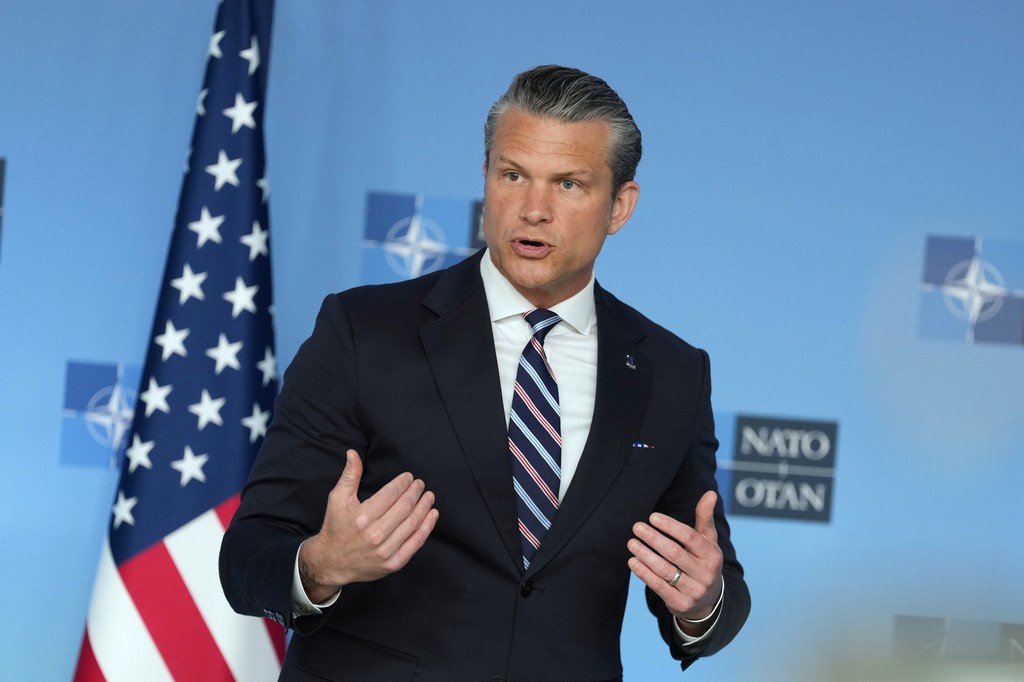
U.S. Secretary of Defense Pete Hegseth has announced a new initiative requiring all active duty and reserve military personnel aged 30 and older to undergo testing for testosterone deficiency during their annual health assessments. Hegseth stated on social media that the program aims to ensure service members maintain optimal testosterone levels for peak performance. Those found to have low levels may be offered hormone replacement therapy. The policy, which is effective immediately, is intended to support the long-term health, resilience, and readiness of the force, extending benefits even after military service. The Defense Department aims to establish baseline testosterone levels for its personnel and provide targeted therapy to maintain a healthy and dominant fighting force. While the announcement did not explicitly mention female service members, Senator Tammy Duckworth has urged that hormonal screenings be made available to women as well. Some critics, like Representative Chrissy Houlahan, have characterized the initiative as a distraction. Dr. Mohit Khera, who previously chaired an FDA panel on testosterone deficiency, supports the screening for men over 30, citing testosterone as a key indicator of health and noting that low levels can impact muscle mass and energy, potentially affecting combat readiness. However, Khera cautioned against prescribing testosterone without symptoms, highlighting potential risks such as infertility in reproductive-aged men and theoretical cardiovascular concerns. He stressed that hormone replacement therapy is not suitable for everyone and requires careful consideration, particularly regarding reproductive health and potential side effects. This move follows recent discussions in the U.S. regarding the prescription of testosterone, with Health Secretary Robert F. Kennedy Jr. advocating for fewer obstacles to its prescription and the FDA proposing to relax prescribing restrictions.
This initiative reflects a growing focus on the physiological well-being of military personnel, linking hormonal health directly to operational readiness and long-term health outcomes. By screening for testosterone deficiency, the U.S. military is adopting a proactive approach to potential health issues that could impact performance and retention. The program's emphasis on maintaining peak physical condition aligns with the demands of modern military service, while also acknowledging the long-term health implications for veterans. However, the decision to exclude those under 30 and the ambiguity regarding female service members highlight potential gaps in this comprehensive health strategy. Future considerations may involve expanding eligibility and ensuring equitable access to hormonal health assessments and treatments for all personnel, regardless of age or gender, to fully support a diverse and capable military force.
AI-generated to prompt reflection — not editorial opinion, not advice, not a statement of fact. How this works.