US mislabeled Africa map at AIDS conference highlights continental misunderstanding
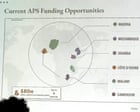
A senior US State Department official presented a mislabeled map of Africa during a session at the Aids 2026 conference in Rio de Janeiro, drawing criticism. The map displayed scrambled and incorrect country names, an error reportedly stemming from over-reliance on AI tools. This incident occurred amidst thousands of scientists, advocates, and policymakers gathering to advance the global HIV response. The mistake carried significant symbolic weight, reinforcing a perception among many that political leaders often view Africa as a single abstract entity rather than a continent comprising 54 distinct sovereign nations. The author argues that this lack of understanding can influence critical budget decisions for HIV programs. Notably, global HIV programs experienced a 25% funding cut in 2025, a consequence the author suggests is linked to such misperceptions.
The incident involving the mislabeled map of Africa at the Aids 2026 conference, attributed to AI tool over-reliance, underscores a critical challenge in international relations and program funding. It highlights the potential for technological dependencies to exacerbate existing geopolitical and cultural misunderstandings. The author's linkage of this error to a 25% cut in global HIV programs suggests a systemic issue where superficial or inaccurate representations can negatively impact resource allocation for vital public health initiatives. This situation prompts reflection on the need for robust human oversight and cultural competency training when utilizing AI for sensitive international communications and policy-making, particularly concerning continents with diverse national identities. The long-term implications involve ensuring that technological advancements serve to deepen understanding and equitable partnership, rather than perpetuate outdated perceptions and hinder progress on critical global challenges.
AI-generated to prompt reflection — not editorial opinion, not advice, not a statement of fact. How this works.
