US Mortgage Rates Climb to One-Year High Amid Inflation Worries
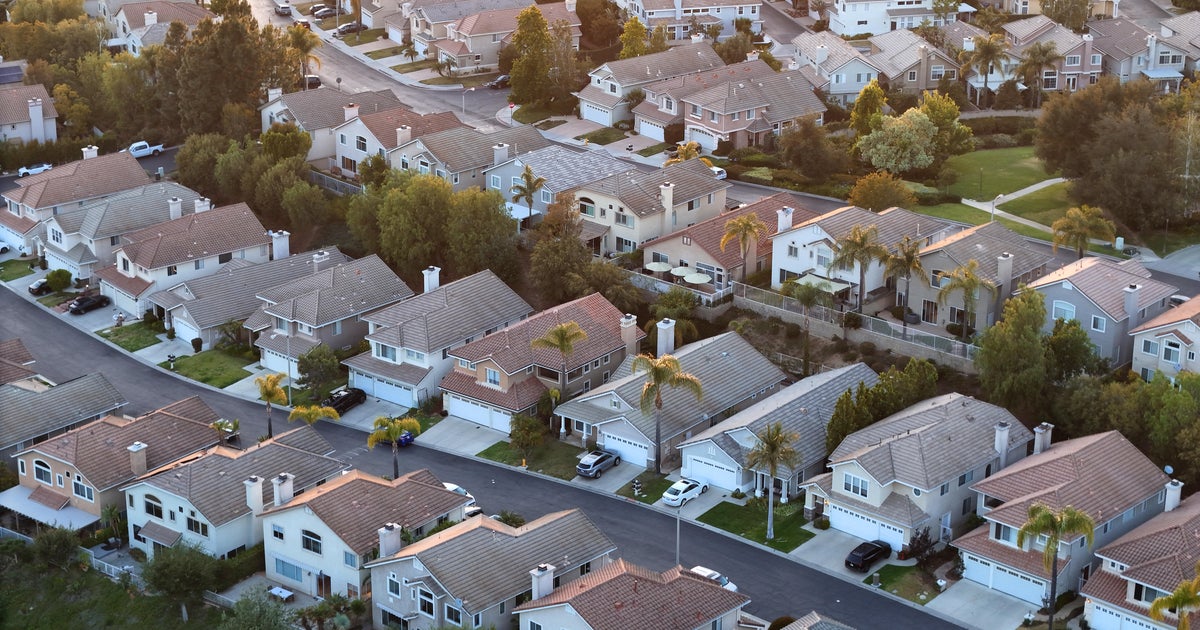
Mortgage rates in the United States have reached their highest point in a year, driven by growing inflation concerns. These concerns are being exacerbated by recent decisions from the Federal Reserve regarding interest rates. Additionally, the ongoing conflict in the Middle East is contributing to the inflationary pressures. The upward trend in mortgage rates signifies a significant shift in the housing market, potentially impacting affordability for prospective buyers. This development comes at a time when the Federal Reserve is navigating complex economic conditions, balancing the need to control inflation with maintaining economic stability. The geopolitical instability in the Middle East adds another layer of uncertainty to the global economic outlook, further influencing domestic financial markets. As rates continue to climb, the cost of borrowing for home purchases increases, which could lead to a slowdown in housing market activity. This situation requires careful monitoring by policymakers and market participants alike.
The rise in mortgage rates reflects a market response to anticipated inflation, influenced by both monetary policy signals from the Federal Reserve and geopolitical events. This dynamic highlights the interconnectedness of global affairs and domestic economic conditions. As borrowing costs increase, potential homebuyers face a reduced affordability landscape, which could temper demand and influence housing market trends over the next decade. The Federal Reserve's challenge lies in managing inflation without unduly stifling economic growth, a delicate balancing act that will shape the financial environment for years to come. Investors and policymakers will be closely observing how these factors interact to determine the trajectory of the housing sector and broader economy.
AI-generated to prompt reflection — not editorial opinion, not advice, not a statement of fact. How this works.