US Naval History Offers Parallels to Modern Strait Security Operations
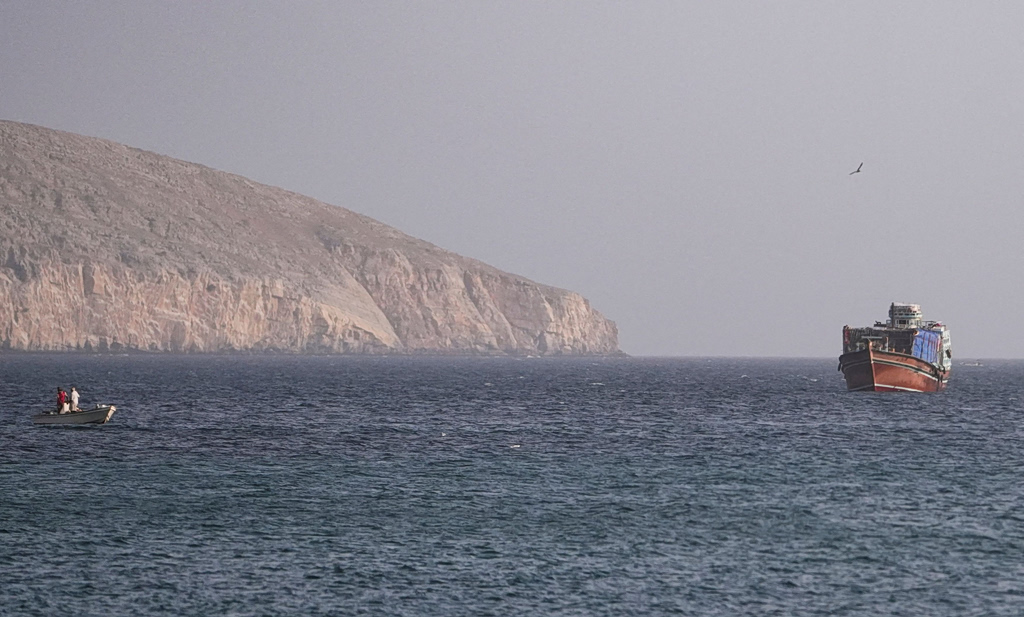
The current U.S. military campaign to safeguard commercial shipping from Iranian attacks by asserting direct control over the Strait of Hormuz is not a novel concept. Nearly two centuries ago, between 1825 and 1827, a formidable U.S. Navy squadron, led by Captain John Rodgers, was dispatched to the Mediterranean Sea. This historical deployment aimed to protect American maritime interests and ensure safe passage for vessels. The mission in the Mediterranean was part of a broader U.S. strategy to project power and secure trade routes in a volatile region. The historical context suggests a recurring pattern of American naval engagement in critical international waterways. These operations underscore a long-standing commitment to maintaining freedom of navigation and deterring threats to global commerce. The parallels between Rodgers' 19th-century mission and contemporary efforts in the Strait of Hormuz highlight the enduring strategic importance of such chokepoints. The historical precedent provides valuable insights into the complexities and challenges of international maritime security. It also demonstrates that the U.S. has historically undertaken significant naval actions to secure its economic and strategic interests abroad.
The historical deployment of U.S. naval forces to secure maritime trade routes offers a lens through which to examine contemporary geopolitical strategies. The recurring nature of such interventions suggests that the protection of global commerce and strategic chokepoints remains a consistent priority, driven by economic and security imperatives. Examining these historical precedents can illuminate the long-term trade-offs and potential consequences of asserting direct control over international waterways. Understanding these patterns allows for a more nuanced assessment of current policy decisions, considering both the immediate objectives and the broader implications for international relations and regional stability over the next decade.
AI-generated to prompt reflection — not editorial opinion, not advice, not a statement of fact. How this works.