US Navy Intercepts Vessels in Strait of Hormuz Amidst Increased Strikes on Iran
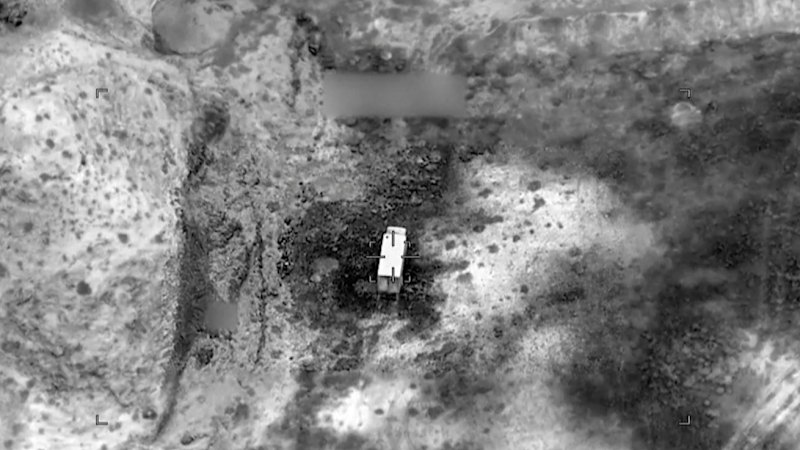
The United States Navy has reportedly turned away two ships attempting to transit the Strait of Hormuz. This action comes in the wake of the U.S. reimposing its naval blockade on Iran. The frequency of U.S. military strikes has also increased since the blockade was reinstated. The Strait of Hormuz is a critical chokepoint for global oil shipments, making any naval activity in the area highly significant. The specific details regarding the vessels turned away and the nature of the increased strikes were not provided in the original report. However, the situation indicates heightened tensions in the Persian Gulf region. The U.S. naval blockade aims to exert pressure on Iran, impacting its maritime trade and access to international waters. The increased strikes suggest a more assertive stance by the U.S. military in enforcing its policies. This development could have implications for regional stability and international maritime security. Further information is needed to fully understand the context and potential consequences of these events.
The reported interdiction of vessels in the Strait of Hormuz signifies a potential escalation in maritime control dynamics within a strategically vital waterway. The U.S. military's actions, following the reimposition of a naval blockade on Iran and increased strikes, suggest a policy of enforcing restricted access. This approach may be intended to exert economic and political pressure, leveraging control over critical shipping lanes. However, such assertive measures can also heighten geopolitical risks and potentially disrupt global supply chains, impacting international commerce. The long-term efficacy and stability of this strategy will likely depend on regional responses, international diplomatic engagement, and the evolving geopolitical landscape over the coming decade.
AI-generated to prompt reflection — not editorial opinion, not advice, not a statement of fact. How this works.