US Navy's 'Doomsday Plane' Project Faces Delays and Questions
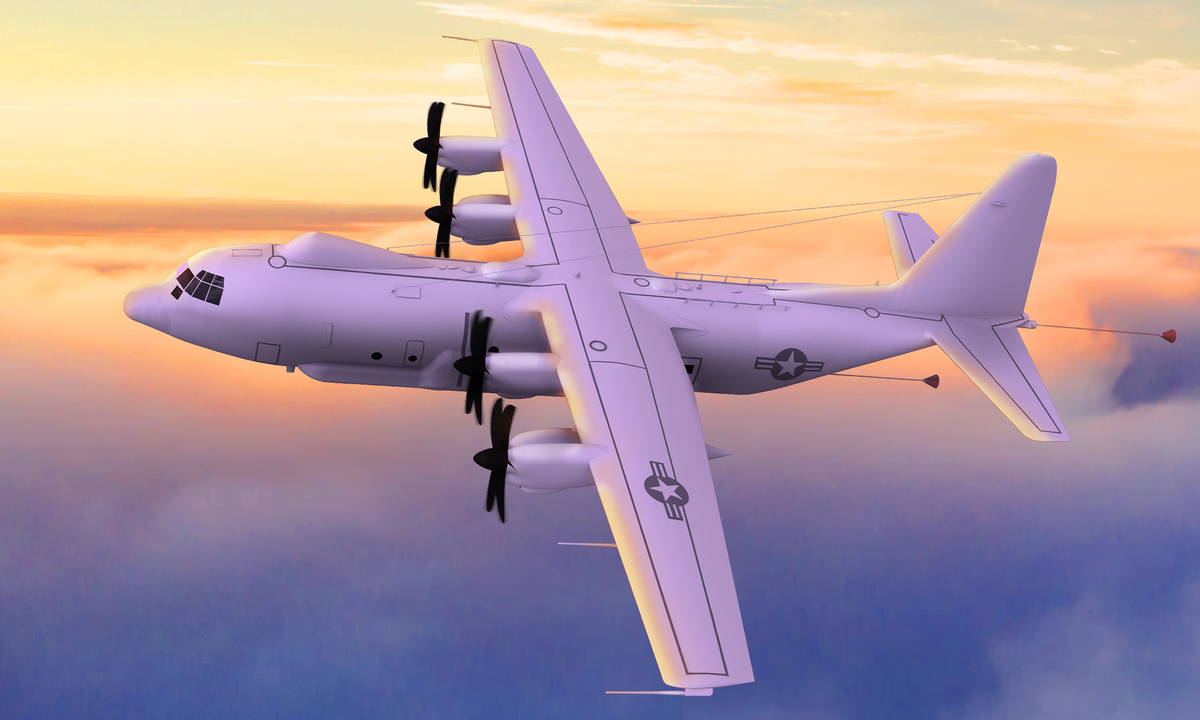
The United States Navy's project to develop the E-130J aircraft, intended to replace the aging E-6B "doomsday plane" fleet, is experiencing significant delays. This program, crucial for maintaining airborne command and control capabilities, is now facing scrutiny over its timeline. The E-6B Mercury, a Boeing 707 derivative, serves as a vital link for communicating with nuclear submarines and land-based missile sites. Its replacement, the E-130J, is designed to incorporate modern technologies and ensure the survivability of the airborne command post. The delays raise concerns about the Navy's ability to maintain this critical strategic asset in the coming years. Further details regarding the specific reasons for the setbacks and the projected new completion dates have not yet been fully disclosed, leading to increased uncertainty surrounding the project's future.
The delays in the US Navy's E-130J "doomsday plane" replacement program highlight the inherent challenges in modernizing complex, high-stakes military hardware. Such projects often face cost overruns and schedule slips due to intricate technological integration, evolving threat assessments, and the sheer scale of defense procurement. The extended operational life of the E-6B fleet, while a testament to its robust design, also underscores the urgency of fielding a successor that can meet future strategic demands. This situation prompts consideration of how defense acquisition strategies can better anticipate and mitigate risks in long-term platform development, particularly in an era of rapid technological advancement and geopolitical uncertainty.
AI-generated to prompt reflection — not editorial opinion, not advice, not a statement of fact. How this works.