US Northeast Faces Dual Threat: Wildfire Smoke and Flash Floods
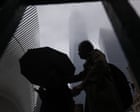
The northeastern United States is experiencing a convergence of hazardous weather conditions. Smoky skies from ongoing wildfires in Canada have returned to New York City and its surrounding areas, pushing air quality back to unhealthy levels. This atmospheric pollution is now compounded by severe thunderstorms that have begun to impact the region. Torrential rain in parts of the northeastern US has already led to flash flood warnings. The return of wildfire smoke on Saturday followed a brief respite on Friday, indicating a persistent environmental challenge for the area. This dual threat of poor air quality and extreme rainfall presents significant risks to public health and safety across the affected states.
The confluence of wildfire smoke and severe thunderstorms in the northeastern US highlights the increasing frequency and intensity of extreme weather events, likely exacerbated by climate change. This situation underscores the vulnerability of densely populated urban centers to cascading environmental crises. As air quality degrades due to distant wildfires and immediate flash flood risks emerge, urban infrastructure and public health systems face unprecedented strain. Future planning must integrate resilience strategies that address both atmospheric pollution and hydrological extremes, acknowledging the interconnectedness of global environmental factors and local impacts. This necessitates robust early warning systems and adaptive urban design to mitigate risks in an era of heightened climate volatility.
AI-generated to prompt reflection — not editorial opinion, not advice, not a statement of fact. How this works.