US Official Criticizes Remarks on Uruguayan Leftist Group
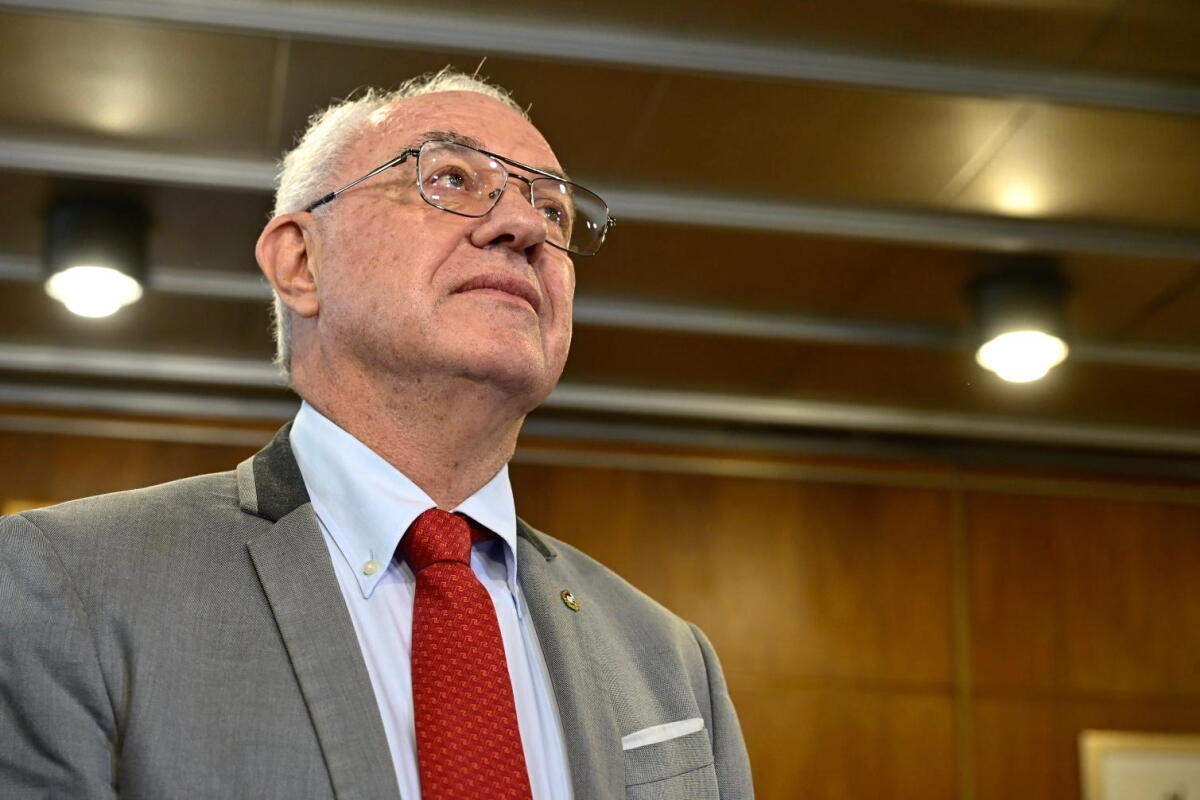
A high-ranking US government official has expressed disapproval regarding comments made about a Uruguayan political group. Brian A. Nichols, the Assistant Secretary of State for Western Hemisphere Affairs under the Trump administration, stated that the government does not permit any government force to be treated in a certain manner. Nichols' remarks were a response to statements made by Senator Marco Rubio. Rubio had referred to the MLN-Tupamaros, a leftist militant organization from Uruguay, as engaging in "violent terrorism." The MLN-Tupamaros were active in Uruguay during the 1960s and 1970s, engaging in political violence and kidnappings. Nichols' comments suggest a disagreement within the US government or a diplomatic stance on how to characterize historical political movements in Latin America. The exchange highlights differing perspectives on historical political actors and the language used to describe them.
The exchange between US officials regarding the MLN-Tupamaros reflects differing approaches to historical political discourse. While Senator Rubio employed strong rhetoric to label the group's past actions as "violent terrorism," Assistant Secretary Nichols emphasized a more measured diplomatic tone, cautioning against disrespectful characterizations of government forces or political movements. This divergence may stem from varying strategic considerations: one perspective prioritizes a clear denunciation of past violence, potentially for domestic political messaging, while the other favors diplomatic nuance to maintain broader regional relationships and avoid alienating potential political partners. In the evolving geopolitical landscape of the AI era, understanding these differing communication strategies is crucial for navigating complex international relations and historical narratives.
AI-generated to prompt reflection — not editorial opinion, not advice, not a statement of fact. How this works.