US Official Explains Heightened Security for Iran at 2026 World Cup
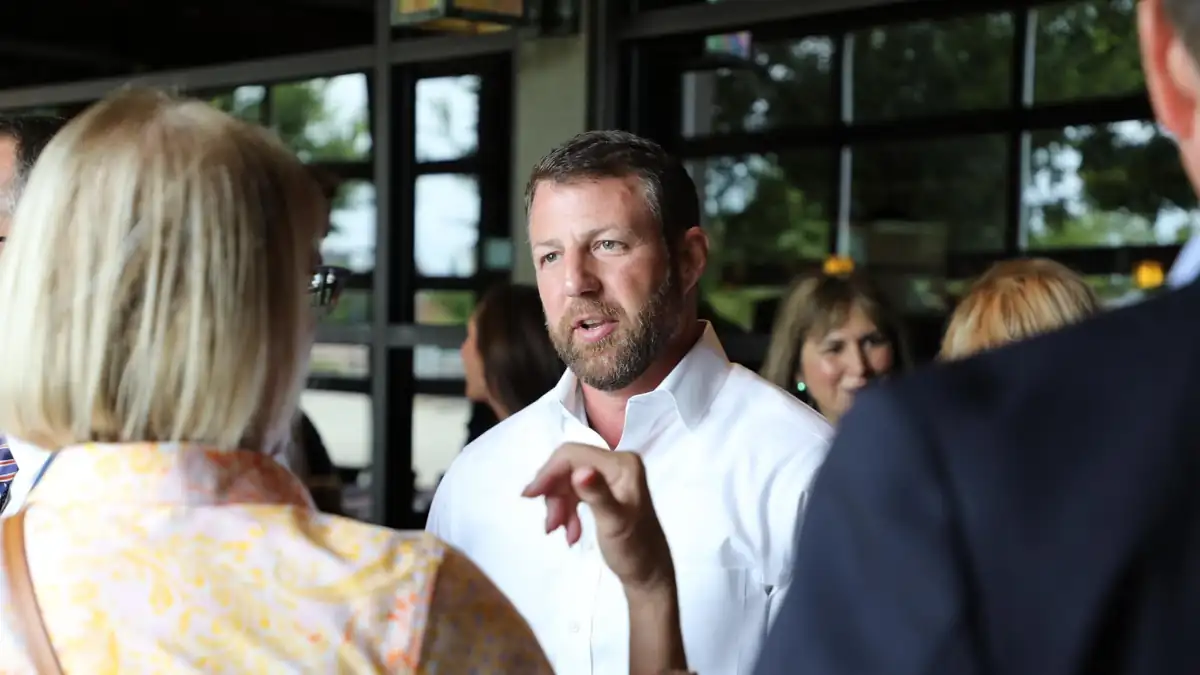
The 2026 World Cup has reignited tensions between Washington and Tehran, extending beyond the sport itself. Following Iran's elimination from the tournament, U.S. Secretary of Homeland Security Markwayne Mullin explained the stringent security measures applied to the Iranian delegation. Mullin stated that no other team required the same level of mobilization from American security services. This justification was provided during a press briefing, highlighting the significant resources dedicated to monitoring the Iranian team. The heightened surveillance underscores the complex geopolitical dynamics that can intersect with major international sporting events. The decision to impose such measures reflects a broader strategic concern, rather than solely a sporting one. The U.S. government's assessment indicated a unique security challenge posed by Iran's participation. This situation illustrates how global events can become arenas for political and security considerations.
The U.S. government's assertion of heightened security measures for the Iranian delegation during the 2026 World Cup, as articulated by Secretary Markwayne Mullin, suggests a strategic calculus extending beyond typical sporting event protocols. This approach reflects a common dynamic where international platforms can become focal points for geopolitical rivalries. The allocation of significant security resources indicates a perceived risk, potentially influenced by intelligence assessments or past incidents. From a systems perspective, such actions highlight the intricate interplay between national security imperatives and international diplomacy, especially in contexts of strained bilateral relations. The challenge lies in balancing legitimate security concerns with the principles of fair play and international cooperation inherent in global sporting events, ensuring that such measures do not disproportionately impact or politicize the athletic competition itself.
AI-generated to prompt reflection — not editorial opinion, not advice, not a statement of fact. How this works.