US Official Michael Kozak Rules Out Immediate Elections in Venezuela Amid Crisis
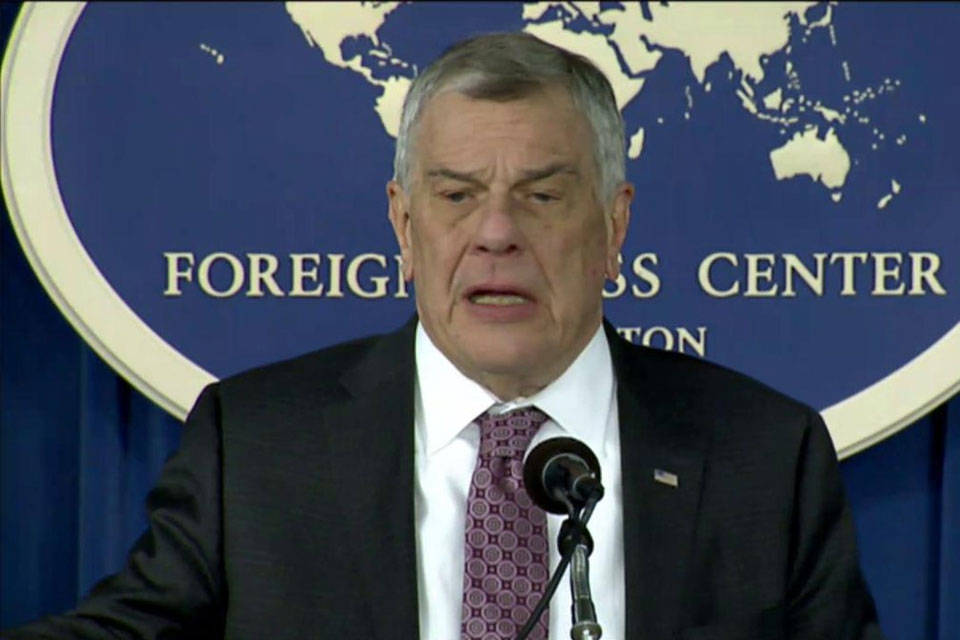
Michael Kozak, the U.S. Deputy Assistant Secretary, has stated that Washington is not advocating for immediate elections in Venezuela. This decision stems from significant technical complexities and the ongoing humanitarian emergency, exacerbated by a double earthquake that occurred on June 24th. Kozak emphasized the need for time to implement technical reforms within the country's electoral system. He indicated that the United States believes these reforms are crucial before any electoral process can be considered fair and credible. The current political and economic instability, compounded by natural disasters, presents formidable challenges to organizing a timely and transparent election. The U.S. official's remarks suggest a focus on stabilizing Venezuela's infrastructure and governance structures as a prerequisite for democratic advancement. This stance acknowledges the multifaceted crisis facing Venezuela, extending beyond purely political considerations to include humanitarian and logistical hurdles.
The U.S. position, as articulated by Michael Kozak, prioritizes technical electoral reforms and humanitarian considerations over immediate elections in Venezuela. This approach reflects a strategic calculation to address systemic issues that could undermine electoral legitimacy, rather than rushing a process amidst significant instability. By focusing on technical prerequisites and humanitarian emergencies, the U.S. signals a long-term engagement strategy that acknowledges the deep-seated challenges within Venezuela. This perspective may aim to foster a more stable environment conducive to future democratic processes, while also managing international expectations and resource allocation. The emphasis on technical reforms suggests a recognition that governance capacity and infrastructure are critical determinants of electoral outcomes, particularly in a crisis-stricken nation.
AI-generated to prompt reflection — not editorial opinion, not advice, not a statement of fact. How this works.