US Official Warns Montenegro Against Transnational Crime, Urges Western Focus
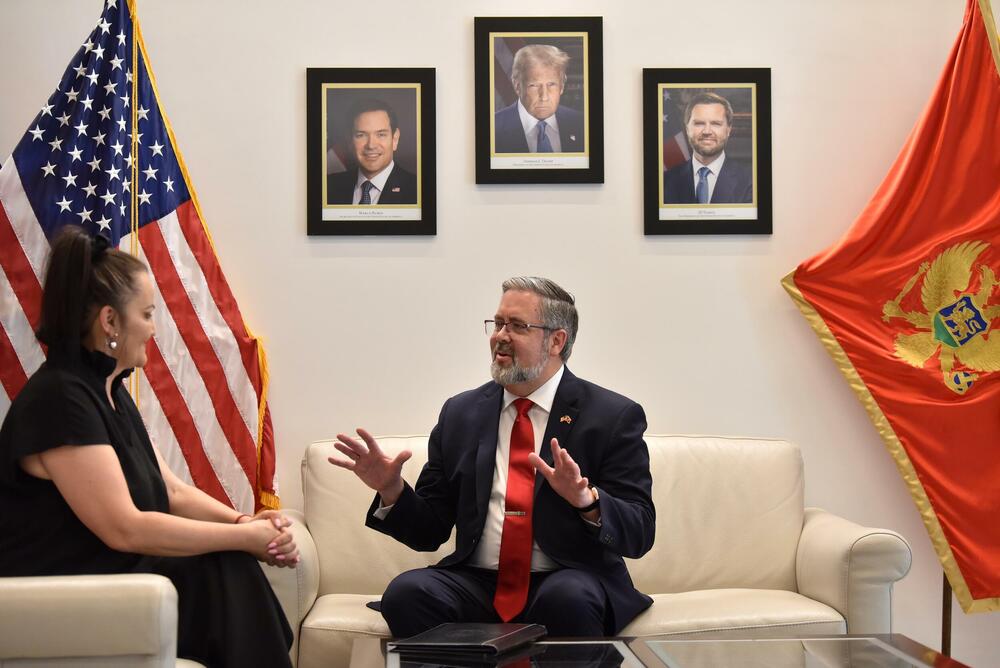
A high-ranking U.S. official has stated that transnational criminal organizations pose a threat to Montenegro, the United States, and their allies. The official highlighted that drug trafficking significantly empowers these groups, fuels high-level corruption, and strengthens organized crime syndicates. Regarding Montenegro's European Union aspirations, the U.S. maintains a neutral stance. The official also addressed a past statement attributed to former Montenegrin President Milo Đukanović, where he allegedly described the U.S. as acting as Russia's "useful idiots," though the official stated they had not seen such a declaration. The U.S. encourages Montenegro to shift its focus away from Serbia and Russia and instead concentrate on reforms that will attract Western investment. Such reforms are seen as crucial for solidifying Montenegro's position within the Western sphere. Montenegro's strategic location, energy resources, and stable environment make it an attractive prospect for American companies. Consequently, the U.S. is currently negotiating an intergovernmental agreement to expand economic cooperation with Montenegro.
The official's remarks underscore the geopolitical significance of Montenegro's internal stability and its alignment with Western interests. The emphasis on combating transnational crime and corruption suggests a recognition of how these issues can undermine state sovereignty and economic development, potentially creating vulnerabilities for external influence. By urging Montenegro to prioritize Western integration and investment over regional entanglements, the U.S. is advocating for a strategic pivot that could reshape regional dynamics. The proposed intergovernmental agreement points to a deliberate effort to foster deeper economic ties, leveraging Montenegro's assets to enhance its integration into Western economic frameworks. This approach aims to bolster Montenegro's resilience against illicit activities and external pressures, positioning it as a more reliable partner within the broader Western alliance.
AI-generated to prompt reflection — not editorial opinion, not advice, not a statement of fact. How this works.