US Opens Skies to Supersonic Commercial Jets After 50-Year Ban
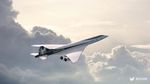
The United States is set to allow commercial supersonic aircraft to fly over land once again, ending a ban that has been in place for over 50 years. This significant policy shift is driven by advancements in new technologies designed to considerably reduce the sonic boom associated with supersonic flight. The goal is to enable faster and more economically viable air travel for passengers. The original ban was implemented in 1966, primarily due to concerns over noise pollution from the sonic booms created by aircraft traveling faster than the speed of sound. This reopening signifies a potential revival of supersonic passenger aviation, which has been largely dormant since the retirement of the Concorde in 2003. The development of quieter supersonic technology is crucial for overcoming the environmental and public acceptance hurdles that previously hindered widespread adoption. The industry anticipates that these innovations will pave the way for a new era of high-speed air transportation.
The US decision to permit supersonic commercial flights signals a potential paradigm shift in air travel, driven by technological innovation aimed at mitigating sonic boom impacts. This move could re-ignite competition in the high-speed aviation sector, challenging existing market dynamics and potentially leading to greater passenger choice and reduced travel times. However, the long-term success will hinge on the demonstrated reliability, safety, and economic viability of these new technologies, as well as their environmental footprint. Regulators and the public will likely scrutinize the actual noise reduction capabilities and the broader societal acceptance of these aircraft. The next decade will reveal whether these advancements can truly overcome the legacy challenges of supersonic transport and establish a sustainable market.
AI-generated to prompt reflection — not editorial opinion, not advice, not a statement of fact. How this works.