US Panel May Back Permanent Fencing Around Lafayette Square
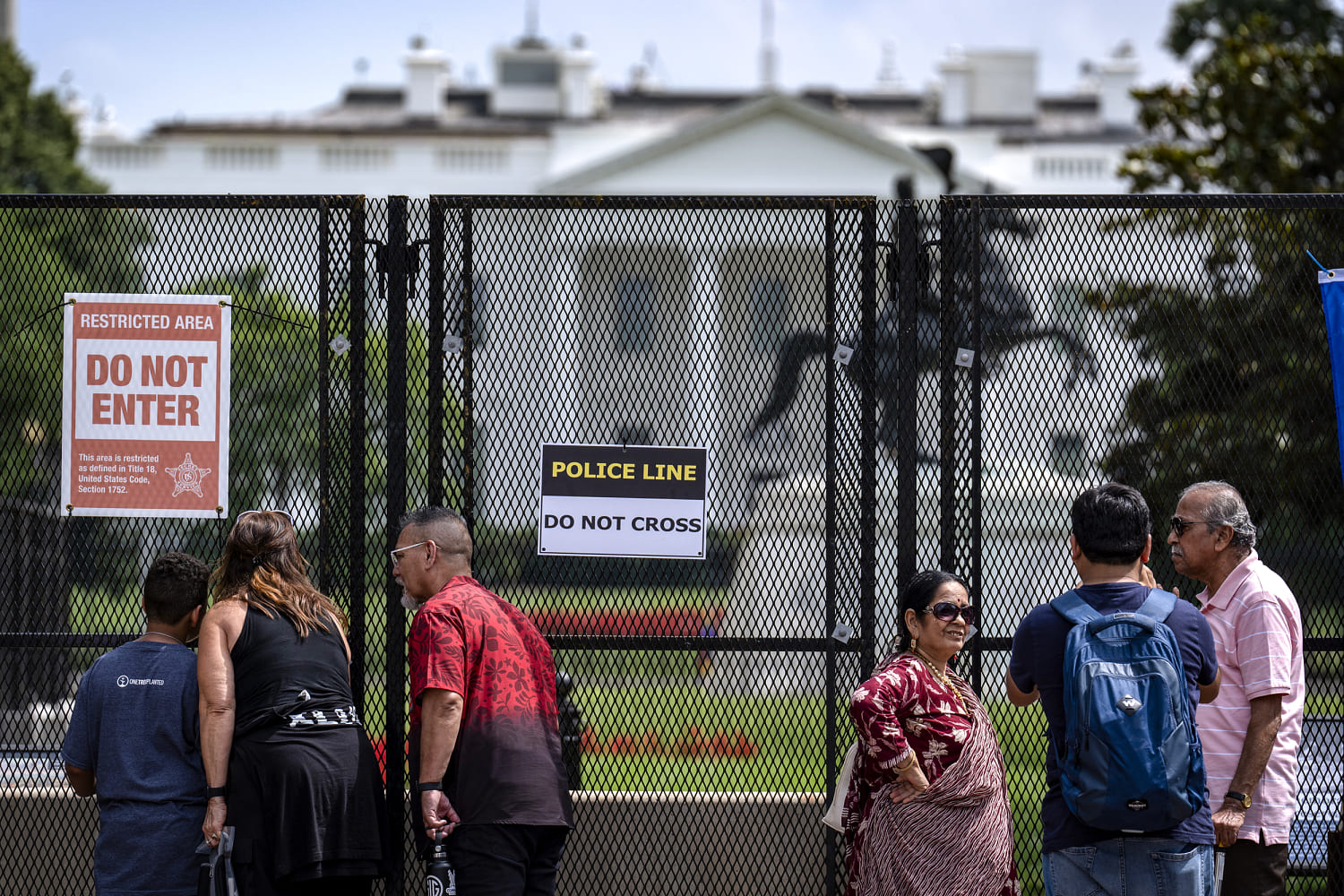
A federal panel is considering a proposal to install permanent fencing around Lafayette Square, a park adjacent to the White House. The Trump administration has put forth the plan to fence off the historic public space, which is well-known as a site for free speech and protests. The potential installation of permanent barriers marks a significant shift for the area, which has long served as a venue for public demonstrations and expressions of dissent. The proposal is currently under review by the relevant federal authorities who will decide on its future implementation. The park's history as a focal point for activism is a key consideration in the ongoing discussion.
The proposal to permanently fence Lafayette Square raises questions about the balance between public access, security, and the right to assembly. Historically, such spaces have served as vital outlets for civic engagement and expression. The decision to restrict access, even for security reasons, could be viewed through the lens of evolving public space management in response to perceived threats or disruptions. This move may reflect broader trends in urban security and the design of public areas, potentially impacting the accessibility and symbolic meaning of such spaces for future generations. The long-term implications for public discourse and the perception of government responsiveness warrant consideration.
AI-generated to prompt reflection — not editorial opinion, not advice, not a statement of fact. How this works.