US Panel Recommends Approval for Popular Peptides Amid Safety Doubts
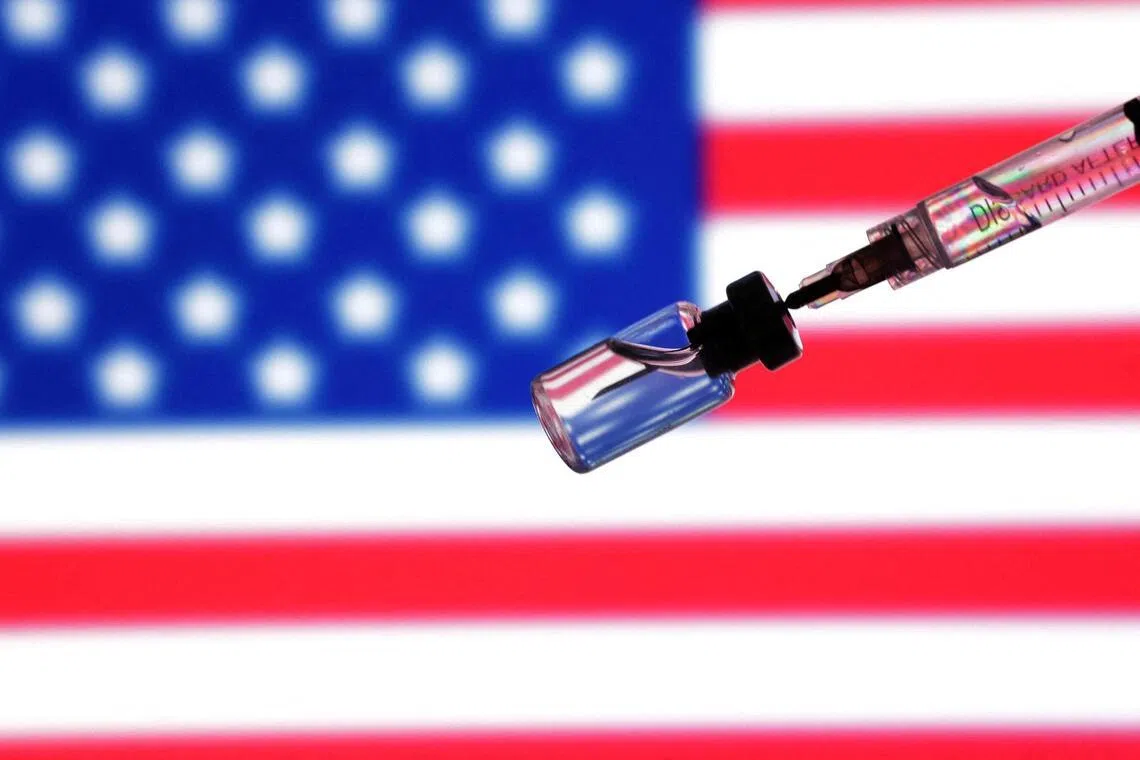
A United States panel has recommended the approval of certain peptides, despite ongoing safety concerns. These peptides have gained significant popularity within wellness communities, often being touted for their potential health benefits. However, the scientific community notes a significant lack of robust clinical evidence to support these claims. The panel's decision comes at a time when the regulatory landscape for such compounds is still evolving. While proponents highlight their trendy status and perceived efficacy, critics emphasize the need for rigorous testing and data to ensure public safety. The recommendation suggests a potential shift in how such substances are viewed, but the debate over their long-term effects and definitive benefits is expected to continue. Further research will be crucial to bridge the gap between popular use and established scientific validation.
The US panel's recommendation to approve popular peptides, despite acknowledged safety concerns and limited clinical evidence, reflects a complex interplay between market demand, evolving wellness trends, and regulatory oversight. This decision may signal a growing pressure to accommodate substances gaining traction in consumer markets, even before comprehensive scientific validation. The panel's action could incentivize further research and development in this area, potentially leading to greater clarity on efficacy and safety. However, it also raises questions about the balance between innovation and public health protection, particularly concerning substances that are widely adopted based on anecdotal evidence rather than rigorous scientific consensus. Future regulatory frameworks will likely need to address how to manage the rapid adoption of novel compounds in the wellness sector while ensuring robust safety and efficacy standards are met.
AI-generated to prompt reflection — not editorial opinion, not advice, not a statement of fact. How this works.