US Passport Drops 9 Spots in Global Ranking Over 20 Years
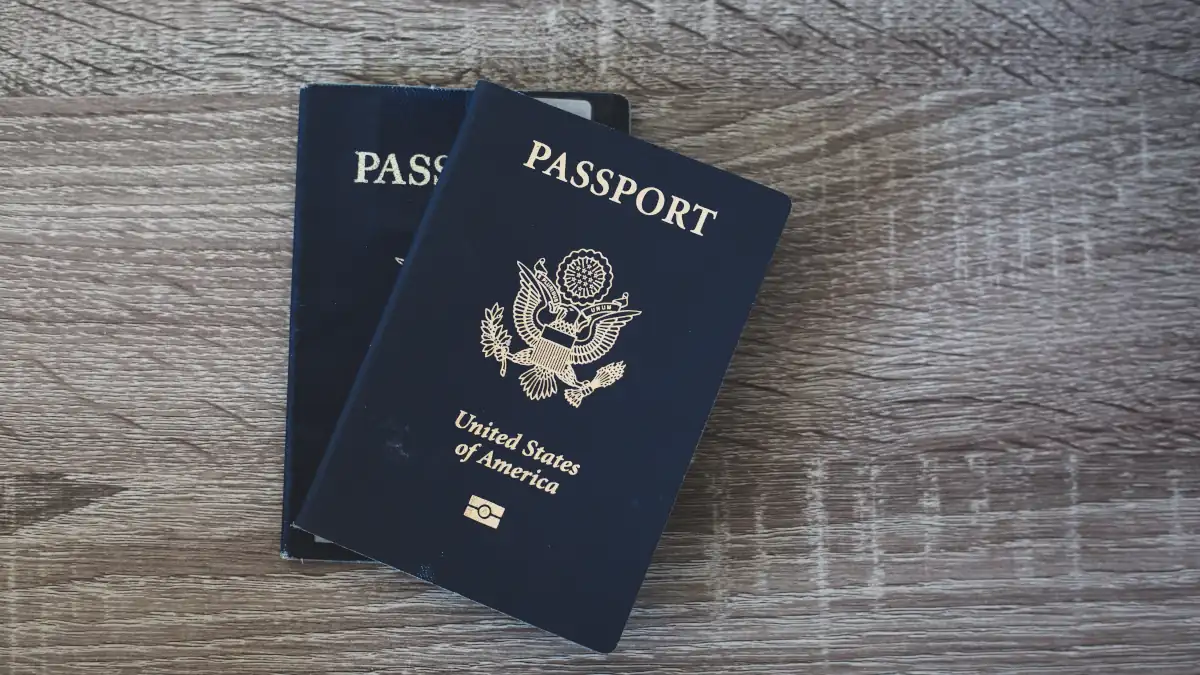
In 2006, the American passport was considered one of the most powerful globally. However, two decades later, its standing has significantly declined. According to the latest Henley Passport Index report, released in July 2026, the United States has fallen to the 10th position in the worldwide rankings. This shift indicates a considerable evolution in the passport's global mobility power, not in a favorable direction for its holders. The Henley Passport Index ranks countries based on the number of destinations their citizens can access without a prior visa. The substantial drop over 20 years suggests a change in international relations, visa policies, or geopolitical factors affecting the United States. This decline impacts the ease of travel for American citizens compared to holders of passports from countries now ranked higher.
The decline in the US passport's global ranking over two decades, from a top position to 10th place, warrants examination of the underlying geopolitical and diplomatic dynamics. Shifts in international relations and reciprocal visa policies can significantly influence passport power. This trend may reflect evolving global partnerships and potential challenges in maintaining broad visa-free access. Understanding the factors contributing to this decrease, such as changes in foreign policy or international agreements, is crucial for assessing the future implications for global mobility and international standing. The Henley Passport Index serves as a quantitative indicator of these qualitative shifts in global influence and accessibility.
AI-generated to prompt reflection — not editorial opinion, not advice, not a statement of fact. How this works.