US Patriot Missile Shortage Influenced Iran Conflict Restraint
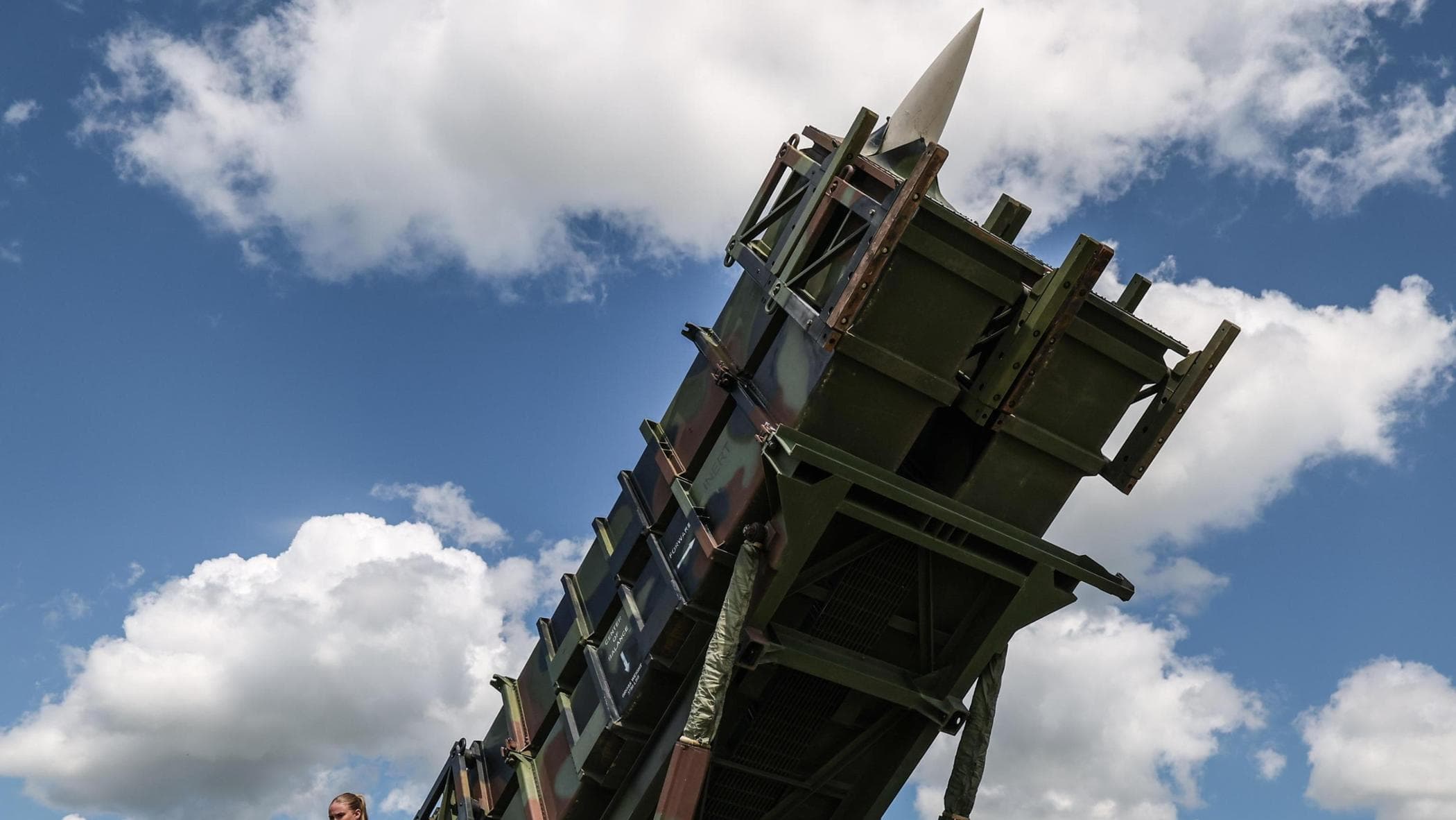
The United States and its Arab allies reportedly expended nearly two thousand Patriot missiles targeting Iran between February and April. This significant depletion of defensive assets is cited as a key factor behind the US decision to moderate its response and de-escalate the conflict with Iran during that period. The crisis highlights the substantial logistical and supply chain challenges associated with deploying advanced missile defense systems in high-stakes geopolitical situations. The rapid consumption of these critical munitions underscores the potential strain on military readiness when facing sustained aerial threats. This situation may prompt a reassessment of strategic reserve levels and production capacities for such vital defense technologies.
The substantial expenditure of Patriot missiles by the US and allied Arab nations against Iran suggests a significant escalation in regional tensions, necessitating a robust defensive posture. The subsequent reported constraint on further conflict engagement, attributed to missile shortages, points to critical vulnerabilities in the logistical sustainment of advanced military operations. This dynamic underscores the interplay between geopolitical objectives and the material capacity to achieve them, highlighting how supply chain limitations can directly influence strategic decision-making. Future military planning may need to more proactively account for the rapid consumption rates of high-demand, low-stock defense systems, particularly in scenarios involving peer or near-peer adversaries, to ensure strategic flexibility and deterrence.
AI-generated to prompt reflection — not editorial opinion, not advice, not a statement of fact. How this works.