US Pauses Strikes on Iran Amidst Unpopular War
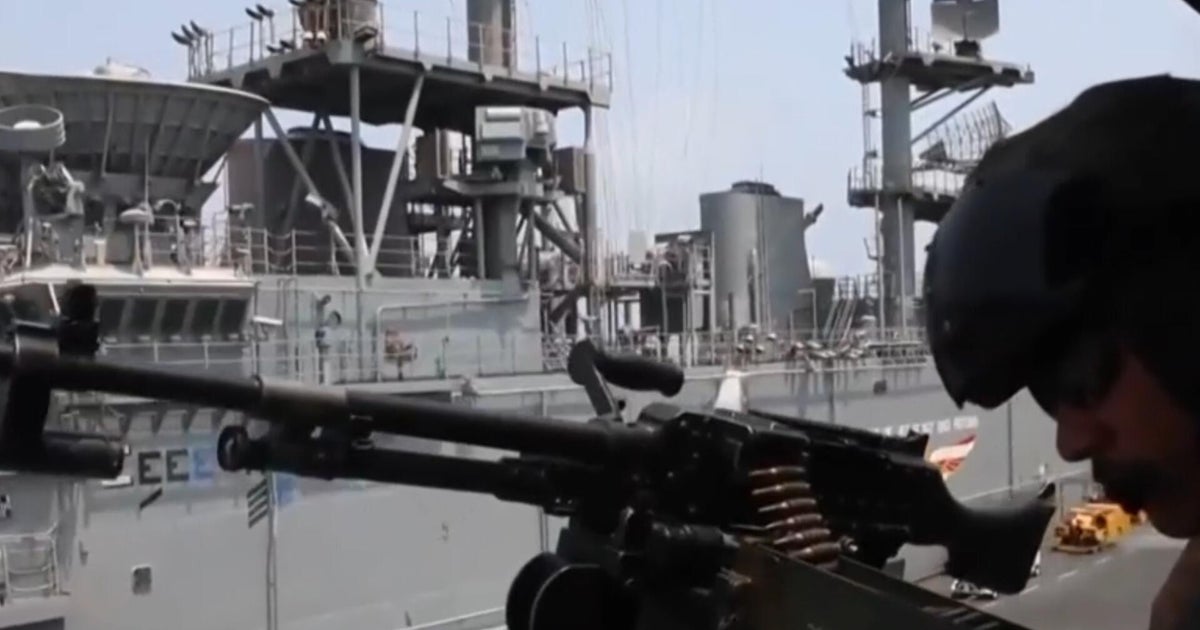
The United States has halted its strikes on Iran for the first time in thirteen days, a move that occurred on Monday. Retired Marine Colonel Mark Cancian provided insights into the potential implications of this pause. The decision to pause strikes comes at a time when the ongoing conflict in Iran appears to be facing public disapproval. This lack of popularity could be a significant factor influencing the U.S. strategy and its decision to temporarily cease offensive actions. Cancian's analysis is expected to shed light on the strategic considerations behind this development. The pause offers a moment for reflection on the war's trajectory and its domestic reception. It remains to be seen whether this pause is a temporary de-escalation or a precursor to a broader shift in policy. The public sentiment surrounding the war is an increasingly important variable in U.S. foreign policy decisions.
The U.S. decision to pause strikes on Iran, occurring for the first time in 13 days, suggests a potential recalibration of military strategy. This pause, coinciding with reported unpopularity of the conflict, highlights the intricate relationship between public opinion and foreign policy. Decision-makers often face pressure to align military actions with domestic sentiment, especially in prolonged engagements. The strategic implications of this pause could range from a tactical de-escalation to a broader re-evaluation of objectives and resource allocation. Examining the incentive structures driving both military operations and public perception will be crucial in understanding the long-term trajectory of U.S. involvement in the region. This event prompts consideration of how geopolitical events are shaped by both external pressures and internal political dynamics, particularly in an era where information flow can rapidly influence public discourse.
AI-generated to prompt reflection — not editorial opinion, not advice, not a statement of fact. How this works.