US Pentagon Criticized for Transparency in Reporting Iran War Casualties
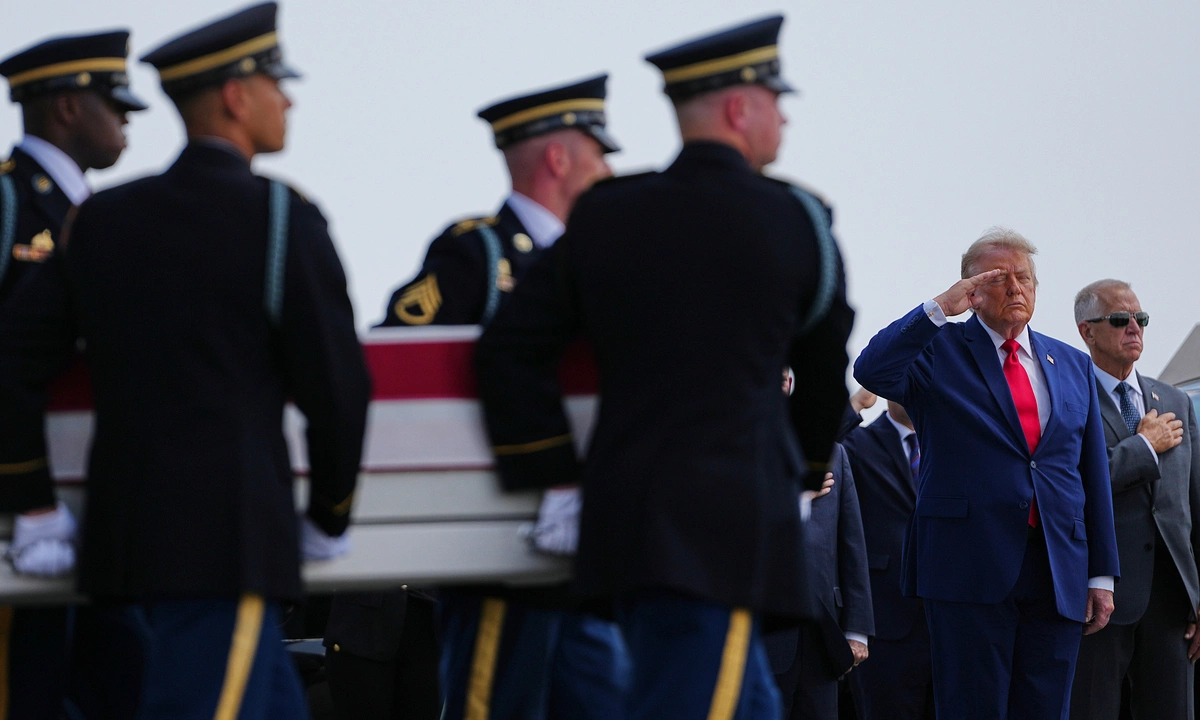
The Pentagon is facing criticism from the White House for its method of reporting casualties from the Iran war. Specifically, the US Department of Defense has separated casualty data into two distinct periods: before and after a ceasefire was implemented. This division of data has led to accusations of a lack of transparency regarding the true extent of losses during the conflict. The decision to bifurcate the reporting has drawn significant backlash, raising questions about the completeness and clarity of the information being provided to the public and policymakers. The controversy highlights a broader debate about how governments should report on wartime casualties and the importance of maintaining public trust through open and honest communication.
The Pentagon's decision to segment Iran war casualty data around a ceasefire raises questions about the incentive structures guiding public reporting during conflicts. While such segmentation might be intended to isolate the impact of specific phases, it risks creating an incomplete or misleading narrative for external observers. This approach could inadvertently obscure the overall human cost and complicate efforts to accurately assess the conflict's trajectory and long-term consequences. Moving forward, a unified and comprehensive reporting methodology would likely enhance accountability and foster greater public confidence in the information disseminated by defense agencies.
AI-generated to prompt reflection — not editorial opinion, not advice, not a statement of fact. How this works.