US Poised to Allow Supersonic Flights After 50-Year Ban
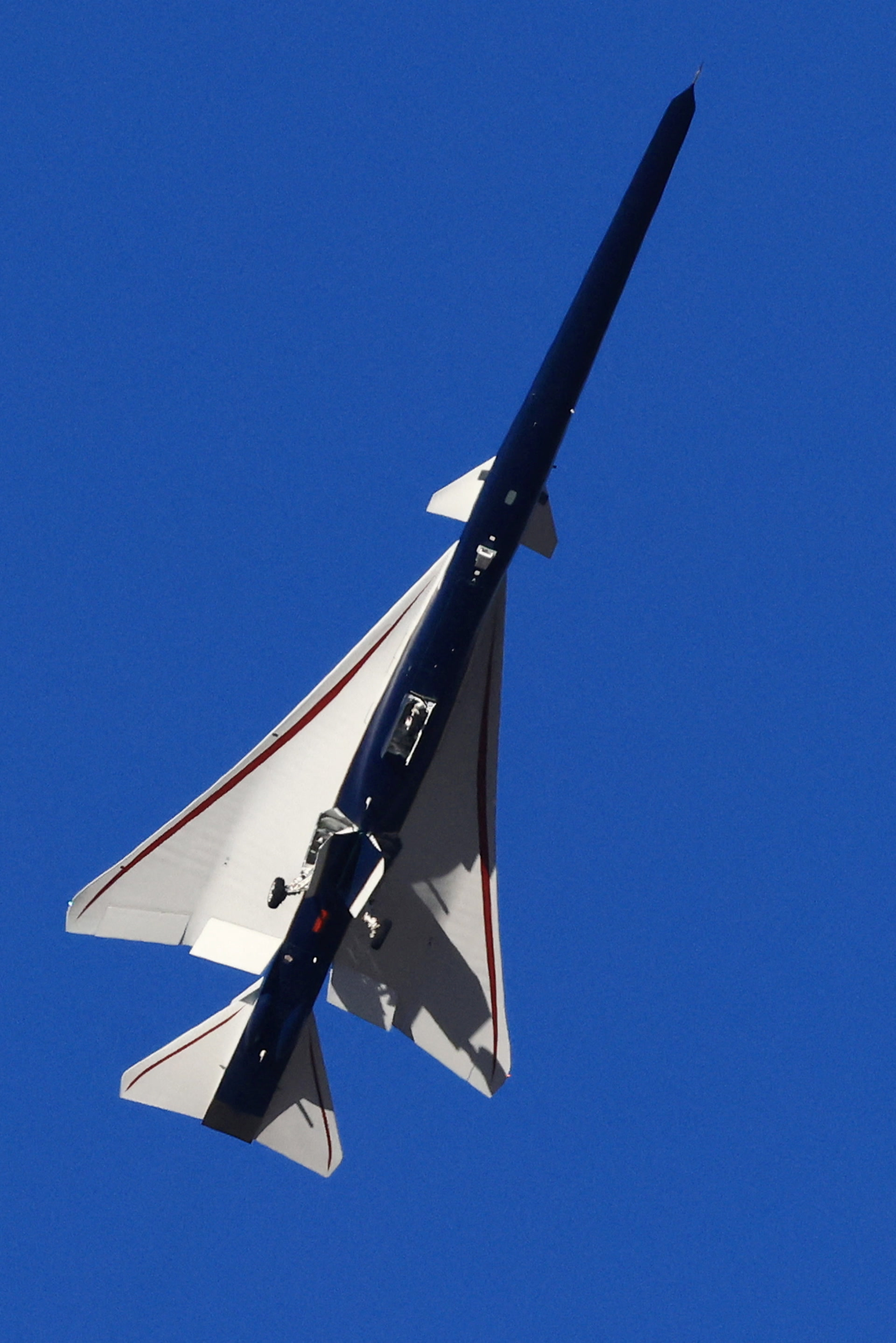
The United States is initiating a significant policy shift regarding supersonic civilian flights, potentially ending a 50-year prohibition. The Federal Aviation Administration (FAA) has proposed new acoustic standards that would permit these aircraft to fly over land once again. This move represents a historic turn for the U.S. aviation sector, which has been restricted from such operations for half a century. The proposed regulations aim to balance the desire for faster air travel with concerns about noise pollution. If adopted, these new rules could pave the way for a new era of supersonic passenger transport within American airspace. The development suggests a renewed interest in technologies that can drastically reduce travel times. This potential change could have substantial implications for the airline industry and the future of long-distance travel.
The FAA's proposed shift on supersonic flight regulations reflects a potential re-evaluation of the trade-offs between technological advancement and public nuisance. After a decades-long moratorium driven by noise concerns, the agency is exploring new acoustic standards, indicating a possible technological solution to mitigate sonic booms. This move could unlock significant market opportunities for aerospace manufacturers and airlines seeking to offer ultra-fast travel, potentially reshaping the competitive landscape. However, the success of this policy will hinge on the efficacy of the new standards and public acceptance. The long-term implications involve assessing how these advancements align with broader societal goals for sustainable transportation and urban development over the next decade.
AI-generated to prompt reflection — not editorial opinion, not advice, not a statement of fact. How this works.