US Presidency's Stalled Agenda Amidst War, Scandals, and Election Claims
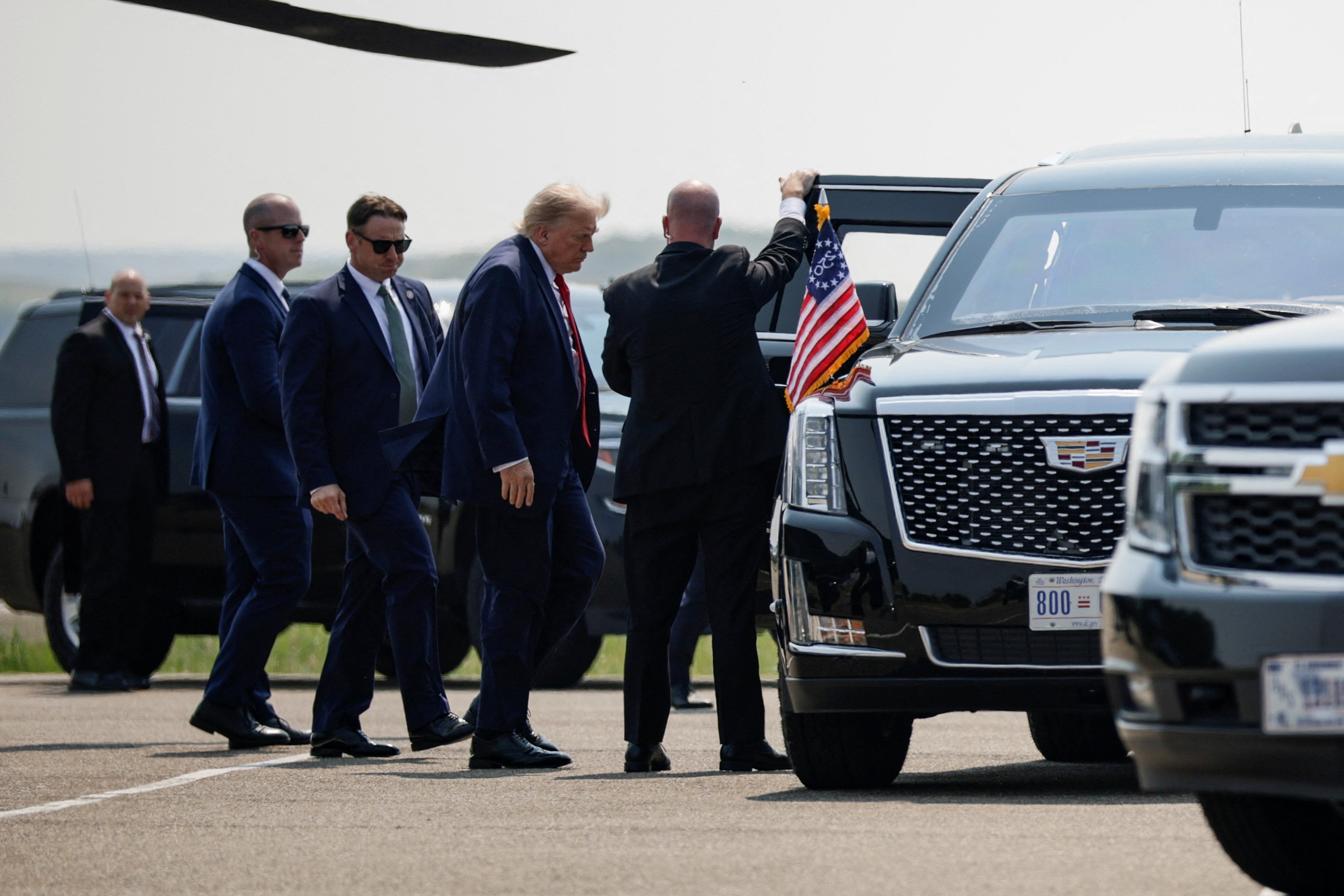
The United States presidency is currently facing significant challenges, marked by a stalled agenda and a sense of disarray. These issues are highlighted by the ongoing war in Iran, controversial actions by an individual named Hegseth, and persistent false claims regarding electoral fraud. These elements collectively point to a period of confusion and improvisation within the administration. The situation suggests a presidency struggling to maintain control and effectively navigate complex domestic and international crises. The persistent focus on unsubstantiated election fraud allegations, in particular, appears to be diverting attention and resources from more pressing matters. This internal turmoil raises questions about the administration's capacity to govern effectively and project stability both at home and abroad.
The current state of the US presidency, as described, suggests a governance model struggling with strategic coherence. The confluence of foreign conflict, internal controversies involving key figures, and persistent, unsubstantiated claims about electoral integrity creates a complex operational environment. This environment may incentivize reactive decision-making over proactive policy development, potentially impacting long-term strategic goals. The reliance on unverified information, particularly concerning electoral processes, risks undermining public trust and institutional legitimacy, which are critical for effective governance in the digital age. Future administrations may need to prioritize robust information verification systems and clear communication strategies to navigate similar challenges and maintain public confidence.
AI-generated to prompt reflection — not editorial opinion, not advice, not a statement of fact. How this works.