US President Faces Pressure Over Chinese AI Models Challenging US Market
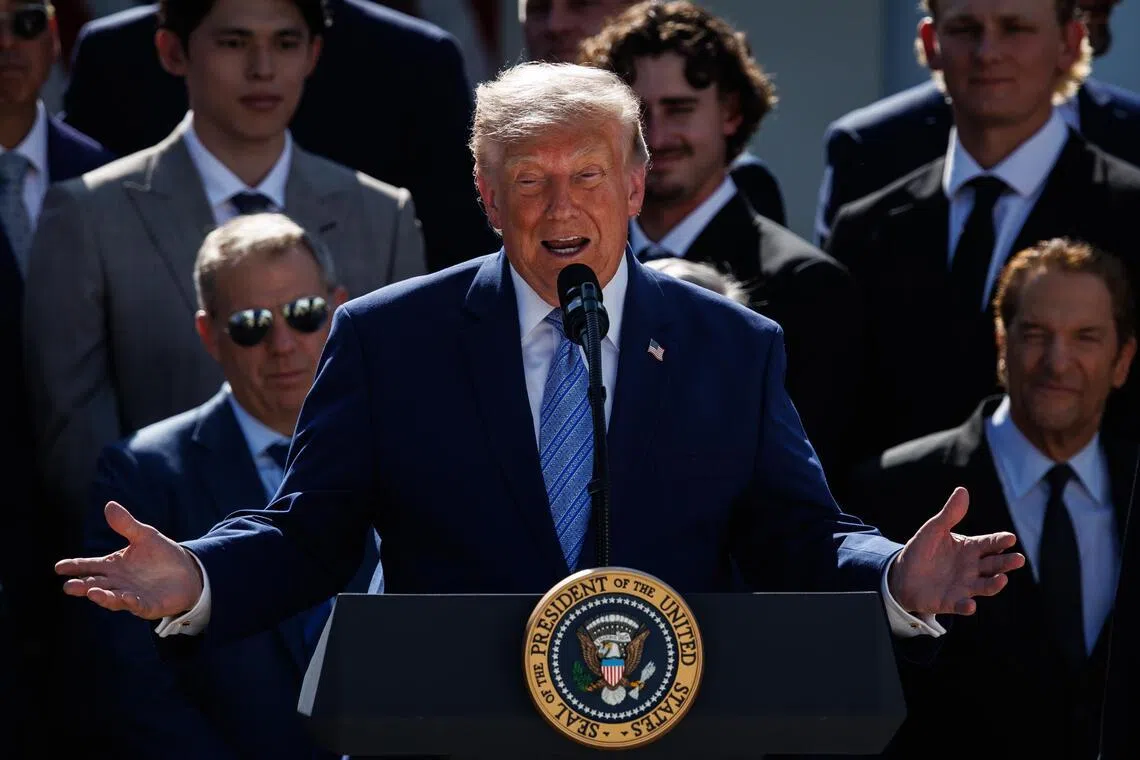
The President of the United States is currently experiencing significant pressure from various entities regarding the rapid advancement of Chinese artificial intelligence models. These AI models are reportedly becoming competitive with, and in some cases rivaling, more expensive counterparts developed in the US. This situation presents a complex challenge, potentially impacting the domestic technology sector and national competitiveness. The administration must navigate the implications of this technological surge, considering factors such as innovation, market access, and national security. The growing capabilities of Chinese AI raise questions about the future landscape of global AI development and its economic consequences. The pressure suggests a need for strategic responses to maintain US leadership in this critical field. The specific sources of pressure are not detailed, but the implication is that domestic industries, policymakers, or other stakeholders are urging action. The administration's response will likely shape future US-China technological relations.
The emergence of competitive Chinese AI models poses a significant challenge to established US technological dominance. This situation highlights the accelerating pace of global AI development and the potential for shifts in market leadership. The US administration faces the complex task of balancing innovation incentives with national security concerns and economic competitiveness. Future policy decisions will likely influence the trajectory of AI research and development, impacting global technological ecosystems and international relations over the next decade. The dynamic underscores the need for strategic foresight in navigating the evolving landscape of advanced technologies.
AI-generated to prompt reflection — not editorial opinion, not advice, not a statement of fact. How this works.