US President's Iran Strategy Criticized as Ineffective
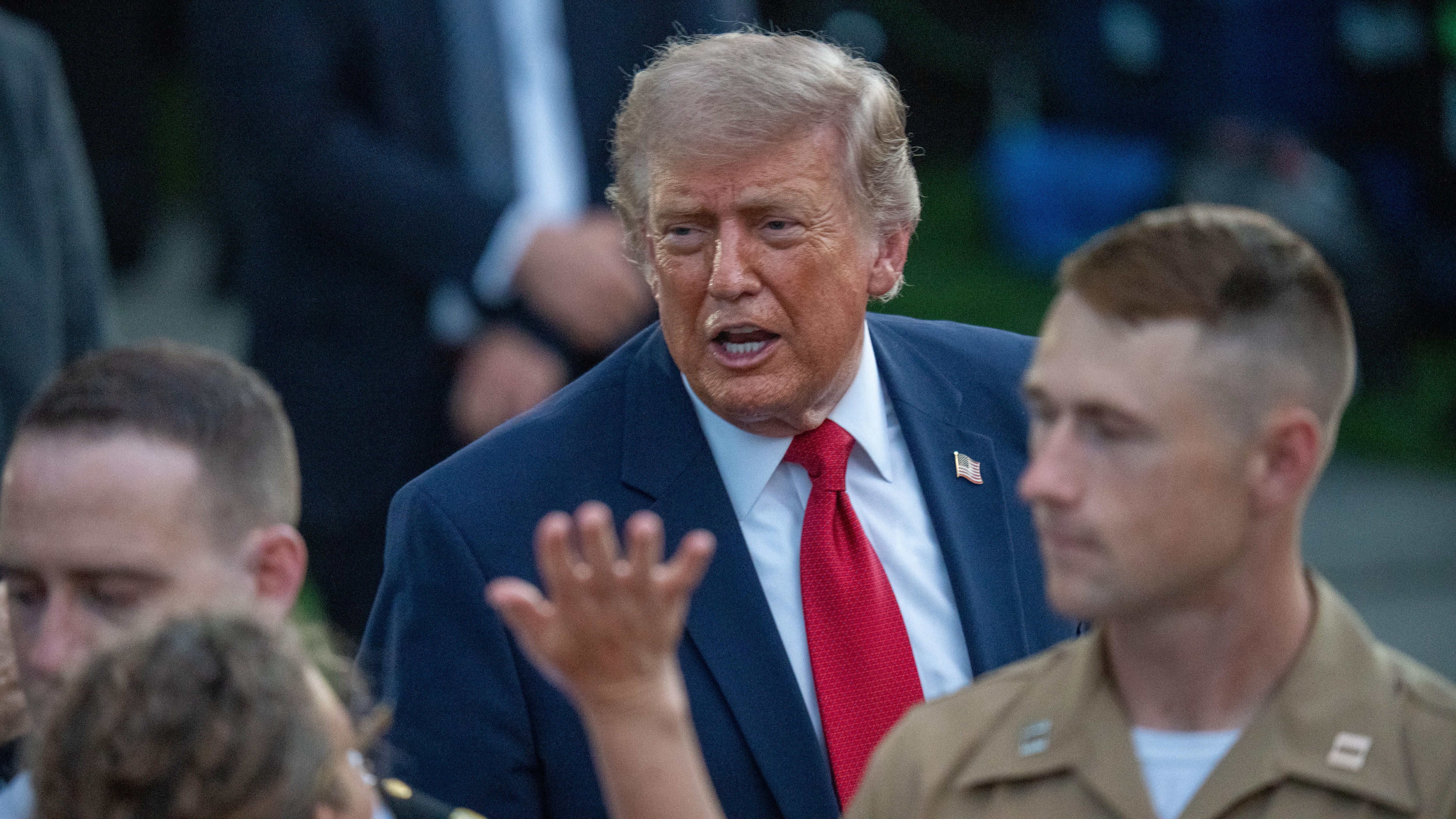
The President of the United States is reportedly adept at using airstrikes to intimidate, but has failed to achieve his ultimate objective of defeating Iran. This assessment suggests a disconnect between the administration's military tactics and its strategic goals concerning Iran. Despite the use of force, the intended outcome of Iran's defeat has not materialized. The effectiveness of the current approach is being questioned, highlighting a potential need for reassessment of US policy towards Iran. The situation implies that while the US possesses the capability for military action, it struggles to translate that power into decisive strategic gains in the region. This ongoing challenge raises questions about the long-term implications of the current US foreign policy in the Middle East.
The stated US objective of defeating Iran through military intimidation, as described, appears to be a strategy facing significant challenges in achieving its desired outcomes. This situation may reflect broader geopolitical complexities where military power alone is insufficient to compel a desired political result. The effectiveness of such tactics is often constrained by regional dynamics, the resilience of targeted states, and the potential for unintended escalation. Future policy considerations might benefit from exploring a more comprehensive approach that integrates diplomatic, economic, and strategic elements alongside military options, aiming for sustainable stability rather than immediate capitulation. The long-term viability of policies reliant primarily on coercive measures warrants careful examination in the evolving global landscape.
AI-generated to prompt reflection — not editorial opinion, not advice, not a statement of fact. How this works.