US Professor: Hungarian Nationalism Not Better Than Orbán's
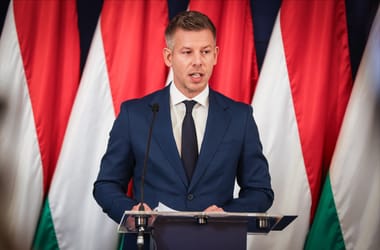
American professor Brett Chloupek has drawn a parallel between the nationalist rhetoric of Hungarian politician Péter Magyar and that of Prime Minister Viktor Orbán. Chloupek suggests that Magyar's recent statements about Hungary's "borders with itself" tapped into the lingering "Trianon syndrome" still present among a significant portion of the Hungarian population. This syndrome is a reference to the historical trauma associated with the Treaty of Trianon. Chloupek posits that Orbán has similarly exploited this sentiment through gestures towards the far-right, citing an instance where the Prime Minister wore a Greater Hungary scarf while attending a football match. Both actions, according to the professor, leverage a deep-seated nationalistic feeling within Hungary.
This comparison highlights how political actors may leverage historical grievances and national identity to mobilize support. The "Trianon syndrome" represents a complex historical narrative that can be invoked to foster national unity or, conversely, to create divisions. Examining the incentive structures for politicians, it's evident that appealing to nationalistic sentiments, particularly those rooted in historical injustices, can be an effective strategy for gaining political traction. However, such appeals also risk exacerbating societal polarization and potentially hindering constructive engagement with neighboring countries or international partners. The long-term implications of prioritizing historical narratives over contemporary challenges warrant careful consideration in the evolving geopolitical landscape.
AI-generated to prompt reflection — not editorial opinion, not advice, not a statement of fact. How this works.