US Proposes June 2027 Trial Date for Venezuela's Nicolás Maduro
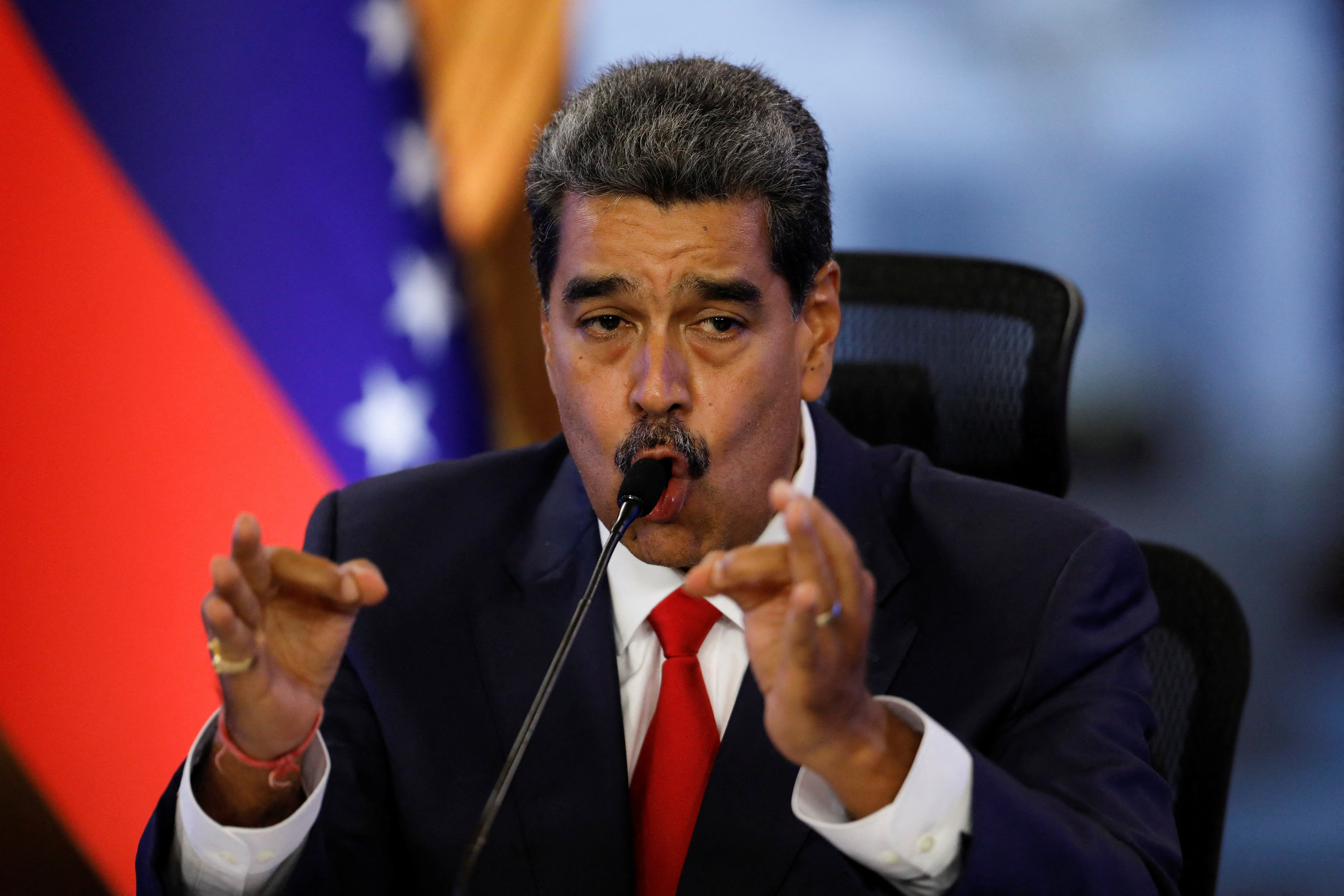
The United States Department of Justice has proposed initiating criminal proceedings against Nicolás Maduro, the former leader of Venezuela, with a trial date set for June 2027. Maduro was apprehended in Caracas by U.S. agents on January 3rd during an operation and subsequently transported to New York. He faces charges related to alleged collaboration with guerrilla groups and cartels for the trafficking of cocaine into the United States. Maduro's wife, Cilia Flores, is also detained and faces criminal accusations in the U.S. The couple has already attended an initial hearing shortly after their arrest, during which Maduro declared himself a "prisoner of war." A further court appearance is scheduled for Wednesday, March 22nd, in New York. Maduro is currently held at the Metropolitan Detention Center, a federal penitentiary known for its stringent conditions and high-profile inmates. He is reportedly held in solitary confinement, with restricted access to news and the internet. Sources indicate he spends his time reading the Bible and is addressed as "president" by staff. He is permitted limited phone calls with family and lawyers, capped at 15 minutes each. Maduro has retained Barry Pollack, the same lawyer who represented Julian Assange, to defend him. Pollack has filed a motion to dismiss the case, citing alleged U.S. government interference in the payment of legal fees, which the defense argues infringes upon Maduro's constitutional rights.
The proposed trial date for Nicolás Maduro, over three years from now, suggests a strategic approach by U.S. authorities, potentially balancing prosecutorial aims with logistical and political considerations. This timeline may allow for further evidence gathering, witness preparation, or await shifts in the geopolitical landscape. The defense's challenge regarding legal fee interference highlights the complexities of representing high-profile defendants under international scrutiny, raising questions about due process and access to counsel. As the case progresses, its outcome could significantly influence regional stability and international legal precedents concerning state leaders accused of transnational crimes. The prolonged legal process, regardless of its merits, will likely remain a focal point of diplomatic and legal discourse throughout the coming years.
AI-generated to prompt reflection — not editorial opinion, not advice, not a statement of fact. How this works.