US Proposes Rule Change Allowing Autonomous Cars Without Manual Controls
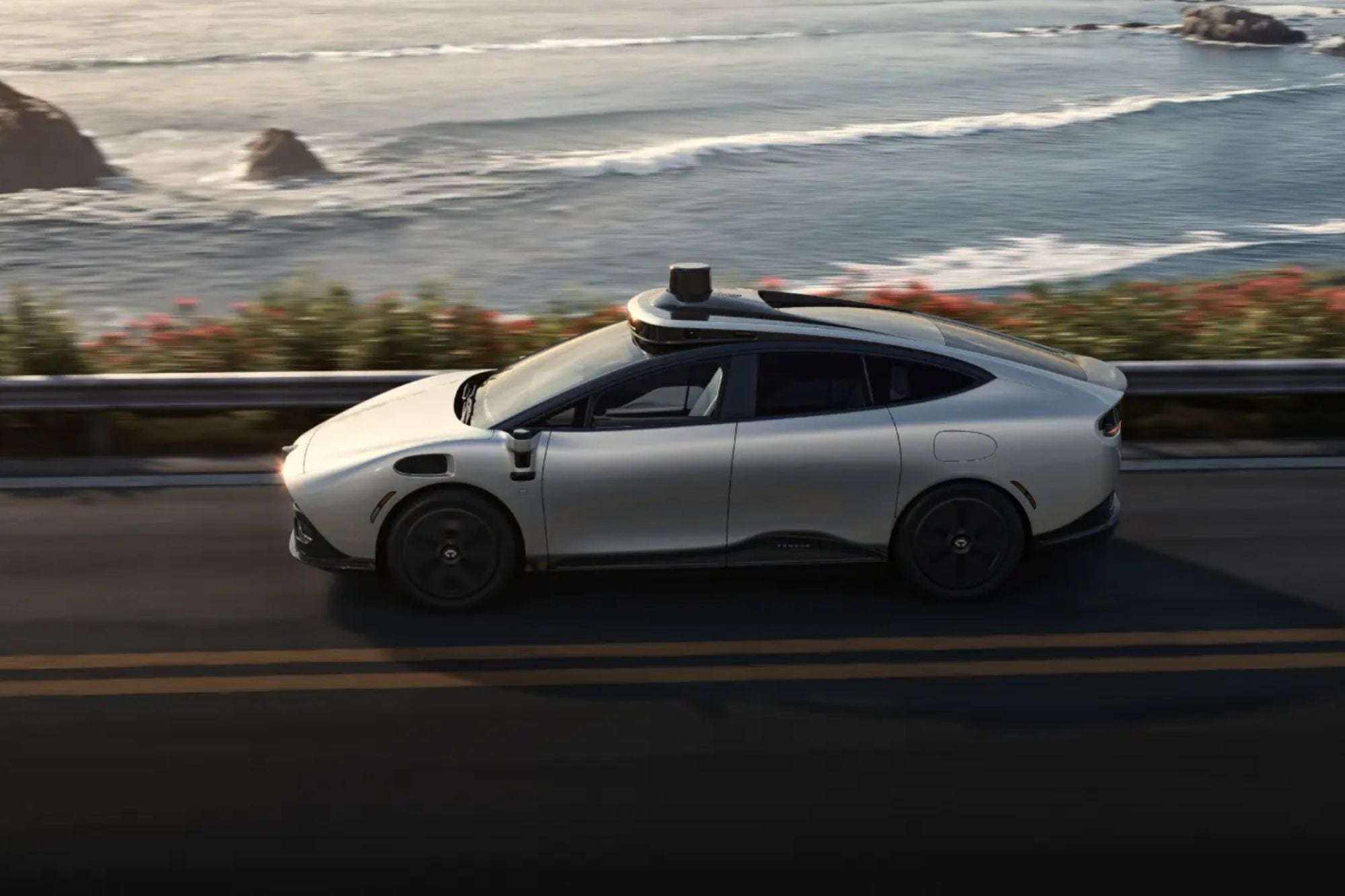
The United States' top road safety regulator has put forward a proposal to alter existing regulations concerning vehicles capable of fully autonomous driving. This potential change aims to permit self-driving cars to operate on public roads without essential manual controls, such as a steering wheel or brake pedal. Currently, federal regulations require these vehicles to be equipped with such equipment. The National Highway Traffic Safety Administration (NHTSA) is seeking public comment on its proposed framework for automated driving systems. The agency is exploring how to address safety standards for vehicles that do not have a human driver in the traditional sense. This initiative reflects the growing capabilities and deployment of autonomous vehicle technology. It signifies a significant step towards potentially normalizing vehicles that lack traditional human interfaces. The NHTSA's move acknowledges the evolving nature of automotive technology and its implications for safety oversight. The agency is considering how to ensure safety without relying on the presence of conventional driver controls.
This regulatory proposal by the NHTSA signals a pivotal moment in the integration of autonomous vehicles into public transportation infrastructure. By considering the removal of traditional controls like steering wheels and brake pedals, the agency is acknowledging the technological advancements that enable vehicles to operate safely without direct human intervention. This shift could accelerate the adoption of fully autonomous fleets, potentially leading to increased efficiency and accessibility in transportation. However, it also raises critical questions about the robustness of the safety systems, fail-safe mechanisms, and the regulatory framework needed to ensure public trust and security in a future where vehicles are designed without human override capabilities. The long-term implications for urban planning, insurance, and the automotive industry's R&D priorities will be profound as the industry navigates this transition.
AI-generated to prompt reflection — not editorial opinion, not advice, not a statement of fact. How this works.