US Public Outraged Over Autonomous Police Drones
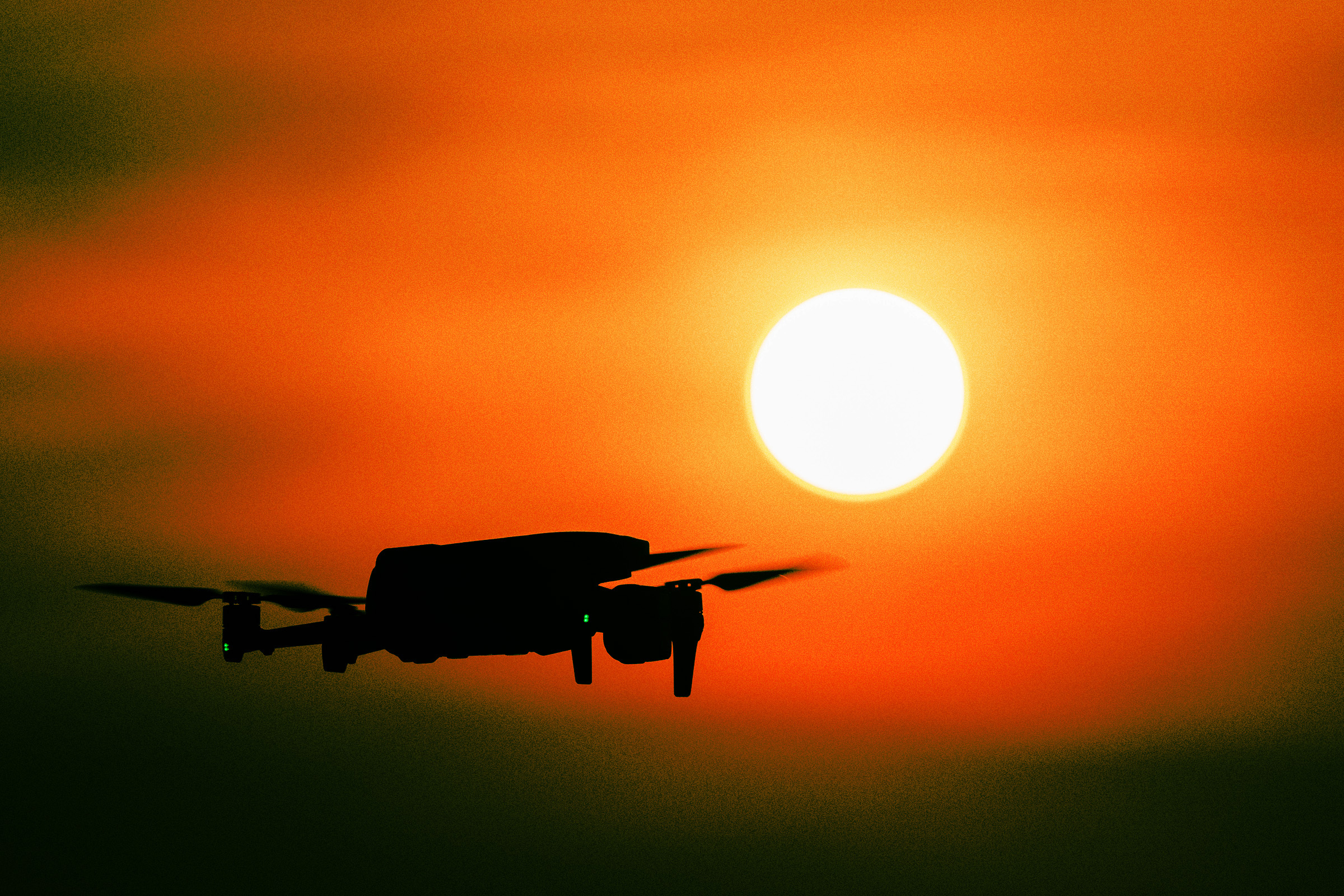
There is significant public anger in the United States regarding the deployment of autonomous police drones. Critics argue that law enforcement should prioritize "relational work on the ground" rather than utilizing "remote drones in the air." This sentiment highlights a deep-seated concern about the increasing surveillance capabilities and the potential impact on community relations. The backlash suggests a public preference for traditional, human-centered policing methods over technologically advanced, automated systems. The debate centers on the effectiveness and ethical implications of using drones for policing purposes. Concerns include privacy violations, potential for misuse, and the erosion of trust between citizens and law enforcement. The article implies a strong opposition to this technological shift in policing strategies.
The public's reaction to autonomous police drones reflects a tension between perceived security benefits and fundamental civil liberties. While drones offer potential advantages in surveillance and response times, their deployment raises significant questions about privacy, accountability, and the nature of community policing. The pushback suggests a societal preference for human interaction and oversight in law enforcement, potentially viewing automated systems as impersonal or even intrusive. This dynamic highlights a broader societal challenge in balancing technological advancement with democratic values and individual freedoms in the evolving landscape of public safety.
AI-generated to prompt reflection — not editorial opinion, not advice, not a statement of fact. How this works.