US Ready for Talks with Iran, Accuses Tehran of Not Taking Negotiations Seriously
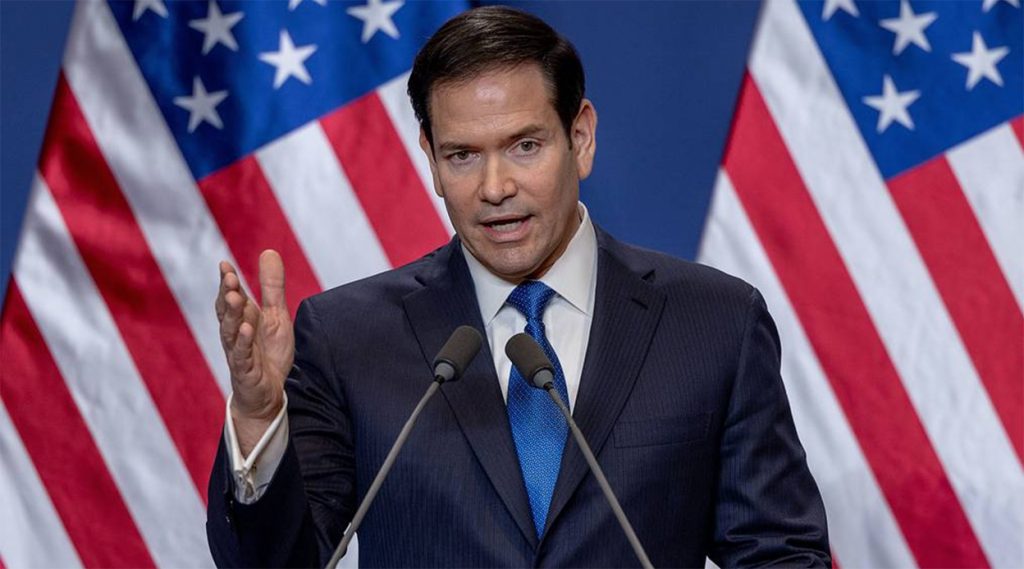
The United States has reiterated its readiness to engage in dialogue with Iran to resolve the ongoing crisis between the two nations. However, a senior US official, identified as Rubio, has expressed that Iran does not appear to be serious about pursuing these negotiations. This statement suggests a continued impasse in diplomatic efforts, with the US signaling an open door for talks while simultaneously criticizing Iran's perceived lack of commitment to the process. The specific nature of the crisis and the context of Rubio's statement are not detailed in the provided text. The US position indicates a willingness to de-escalate tensions through diplomatic channels, but this is contingent on Iran demonstrating a genuine interest in finding a resolution.
The US stance highlights a common dynamic in international diplomacy where one party signals openness to negotiation while attributing a lack of progress to the other's perceived unseriousness. This approach can serve to frame domestic and international audiences, potentially justifying future actions or maintaining leverage. From a strategic perspective, such pronouncements can be analyzed through the lens of incentive structures; the US may be attempting to create conditions that pressure Iran into concessions by publicly questioning its commitment to dialogue. The effectiveness of this strategy depends heavily on Iran's own geopolitical calculations and its perception of the benefits and risks associated with genuine engagement versus continued standoff. Future developments will likely hinge on whether underlying issues driving the crisis are addressed or if this remains a rhetorical exchange.
AI-generated to prompt reflection — not editorial opinion, not advice, not a statement of fact. How this works.