US Regulators Pave Way for Robotaxis Without Steering Wheels, Potentially No Brakes
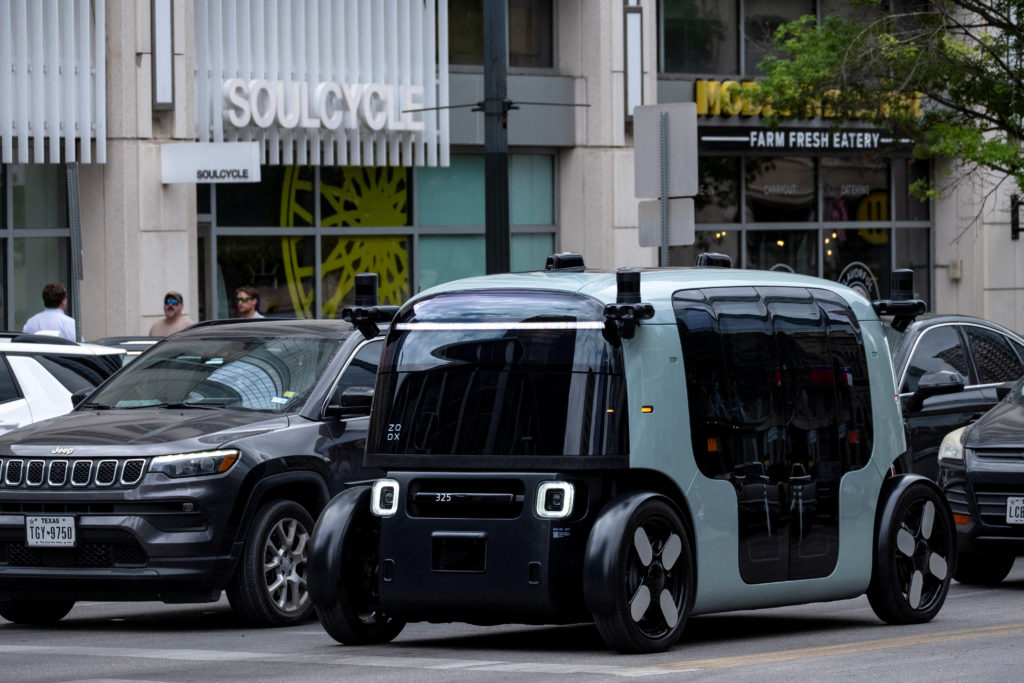
Federal regulators in the United States are beginning to permit robotaxis to operate without essential manual controls, such as steering wheels. This regulatory shift indicates that the rules are adapting to the rapid advancements in autonomous vehicle technology. The National Highway Traffic Safety Administration (NHTSA) has signaled that it may allow driverless vehicles to be deployed without traditional safety features like steering wheels. Furthermore, the agency is considering future scenarios where even brake pedals could be eliminated from these vehicles. This development suggests a significant evolution in how autonomous vehicles will be integrated into public transportation and personal mobility. The move reflects a broader trend of technology outpacing existing regulatory frameworks, requiring governments to find new approaches to ensure safety while fostering innovation. The potential removal of brake pedals, in particular, highlights the increasing reliance on sophisticated software and sensor systems to manage vehicle operation and safety.
The U.S. regulatory approach to autonomous vehicles, particularly robotaxis, is evolving to accommodate advanced technological capabilities, such as the removal of manual controls. This shift reflects a dynamic interplay between technological innovation and governance, where regulatory frameworks are being recalibrated to match the pace of development. The potential elimination of components like steering wheels and brake pedals signifies a profound reliance on sophisticated AI-driven systems for navigation and safety. This presents a critical juncture for public trust and infrastructure adaptation, necessitating robust validation processes and clear accountability mechanisms. As these vehicles become more integrated, the focus will likely intensify on cybersecurity, fail-safe redundancies, and the ethical considerations of AI decision-making in complex traffic scenarios. The long-term implications involve redefining vehicle safety standards and potentially reshaping urban mobility landscapes.
AI-generated to prompt reflection — not editorial opinion, not advice, not a statement of fact. How this works.