US Reinstates Maritime Blockade in Strait of Hormuz Against Iran
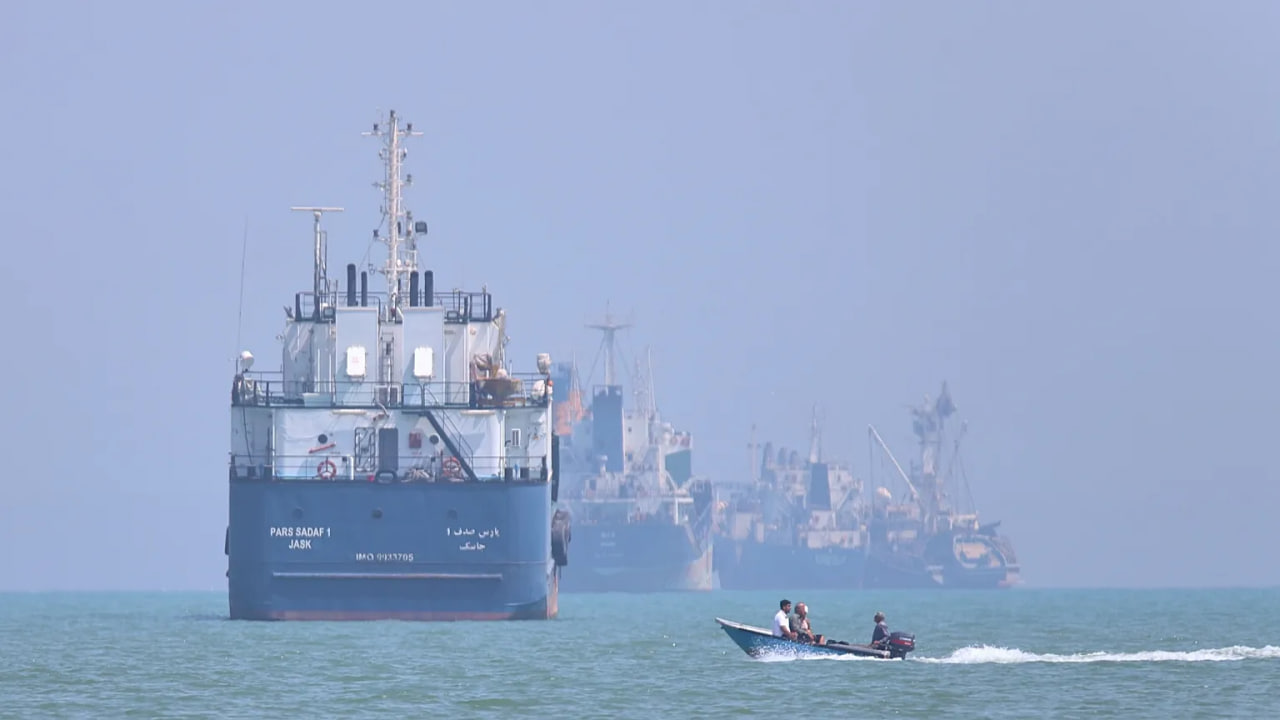
The United States Central Command (CENTCOM) has announced new airstrikes targeting Iran and has reinstated a maritime blockade affecting vessels traveling to or from Iranian ports via the Strait of Hormuz. According to Washington, these measures are intended to limit Iran's capacity to threaten international merchant shipping. The specific details of the airstrikes and the exact scope of the blockade, including its duration and the types of vessels affected, were not immediately provided. This action signals a significant escalation in tensions between the U.S. and Iran in a critical global waterway. The Strait of Hormuz is a vital chokepoint for global oil trade, and any disruption there can have far-reaching economic consequences. The U.S. has previously imposed sanctions and military actions aimed at curbing Iran's regional influence and its maritime activities. This latest move suggests a continued commitment by the U.S. to counter perceived Iranian threats to international navigation and commerce in the Persian Gulf region.
The U.S. military action in the Strait of Hormuz, characterized as a reinstated maritime blockade and new airstrikes, aims to restrict Iran's ability to threaten international shipping. This strategic move by CENTCOM reflects a geopolitical calculus focused on maintaining freedom of navigation and safeguarding global trade routes, particularly those vital for energy supplies. The underlying incentive structure likely involves deterring perceived Iranian aggression and signaling resolve to regional allies and adversaries alike. Looking ahead, such actions in this sensitive chokepoint carry inherent risks of escalation, potentially impacting global energy markets and international relations. The long-term effectiveness of this blockade will depend on its sustained enforcement, Iran's response, and the broader geopolitical dynamics in the Middle East, highlighting the complex interplay between security objectives and economic stability.
AI-generated to prompt reflection — not editorial opinion, not advice, not a statement of fact. How this works.