US Reinstates Oil Sanctions on Iran Following Strait of Hormuz Attacks
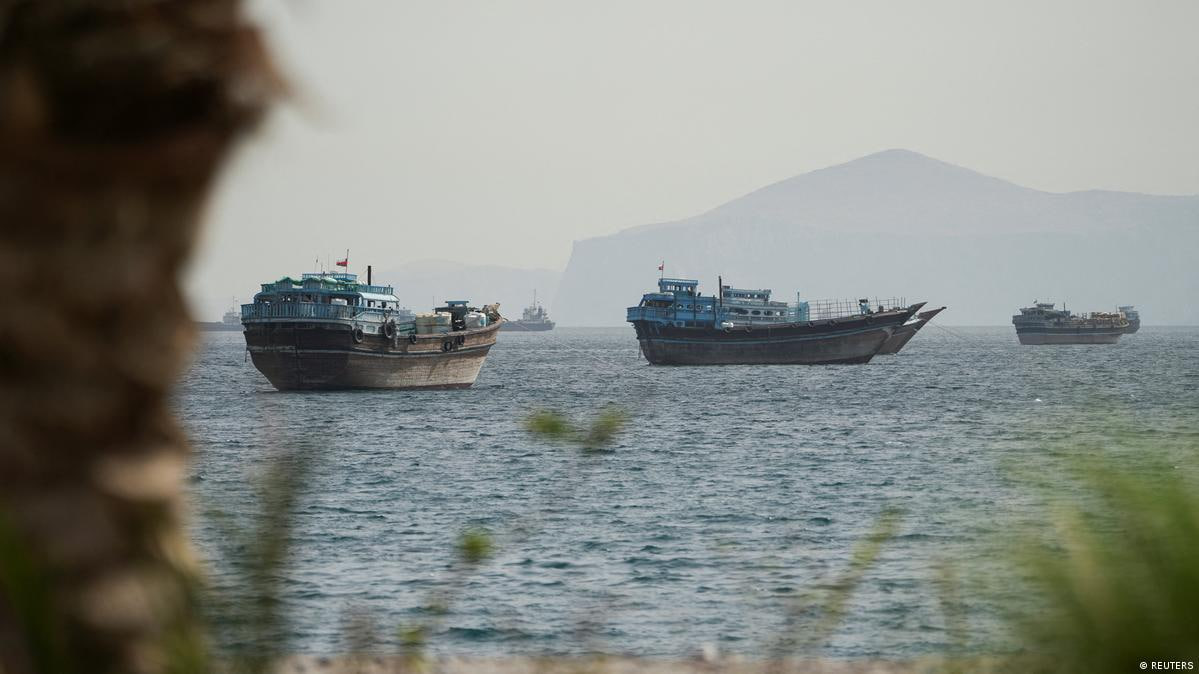
The United States has reimposed oil sanctions on Iran in response to attacks on tankers in the Strait of Hormuz. Washington accused Tehran of violating a ceasefire agreement and announced new military strikes on Iranian territory. These actions signal a significant escalation in tensions between the two nations. The decision to reinstate sanctions is a direct consequence of the perceived breach of the ceasefire. The US stated that the military strikes were a response to Iran's actions. The situation in the Strait of Hormuz remains a critical point of concern for international maritime security. The renewed sanctions are expected to have a considerable impact on Iran's economy, particularly its oil exports. This development marks a significant shift in US-Iran relations.
The US decision to reinstate oil sanctions on Iran, coupled with military strikes, reflects a strategic recalibration aimed at pressuring Tehran following alleged ceasefire violations and tanker attacks in the Strait of Hormuz. This move signals a potential shift in US foreign policy towards a more assertive stance, prioritizing deterrence and economic containment. The geopolitical implications are substantial, potentially impacting global oil markets and regional stability. The effectiveness of sanctions as a tool for behavioral change will be tested, alongside the risk of further escalation. This situation highlights the complex interplay of international security, economic leverage, and diplomatic relations in a volatile region.
AI-generated to prompt reflection — not editorial opinion, not advice, not a statement of fact. How this works.