US Reinstates Sanctions on Iranian Oil Exports
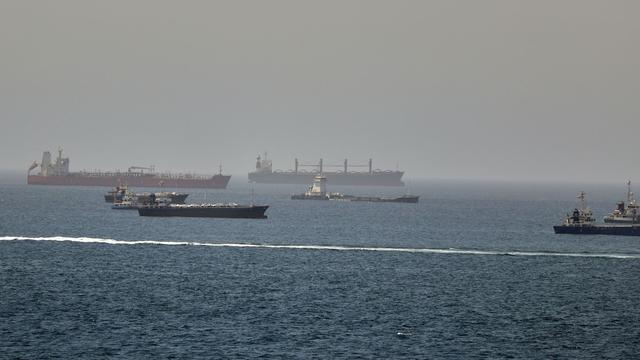
The United States has reimposed sanctions targeting Iran's oil sector, a move that could significantly impact the nation's economy. These sanctions are part of a broader strategy by the US to exert pressure on Iran. The re-implementation of these measures signals a hardening of US policy towards Iran, potentially affecting global oil markets. The specific details of the sanctions, including their scope and duration, are expected to be closely watched by international observers and market participants. This action follows previous US efforts to curb Iran's oil revenue, which have historically been a significant source of funding for the Iranian government. The implications for regional stability and international relations are also considerable. The US administration has stated its intention to enforce these sanctions rigorously. The impact on global energy prices and supply chains remains a key concern for many countries.
The United States' decision to reinstate sanctions on Iran's oil exports represents a significant geopolitical and economic maneuver. From an incentive structure perspective, these sanctions aim to curtail Iran's financial capacity, potentially influencing its regional policies and nuclear program. However, such measures often create complex market dynamics, potentially leading to price volatility in global oil markets and impacting energy security for importing nations. The long-term effectiveness hinges on international cooperation and the resilience of Iran's economy. This action also highlights the ongoing tension between major global powers regarding regional influence and international security frameworks, prompting a re-evaluation of energy supply chain vulnerabilities in the coming decade.
AI-generated to prompt reflection — not editorial opinion, not advice, not a statement of fact. How this works.