US Renames Western Hemisphere Task Force, Expands Military Drills with Brazil and 17 Others
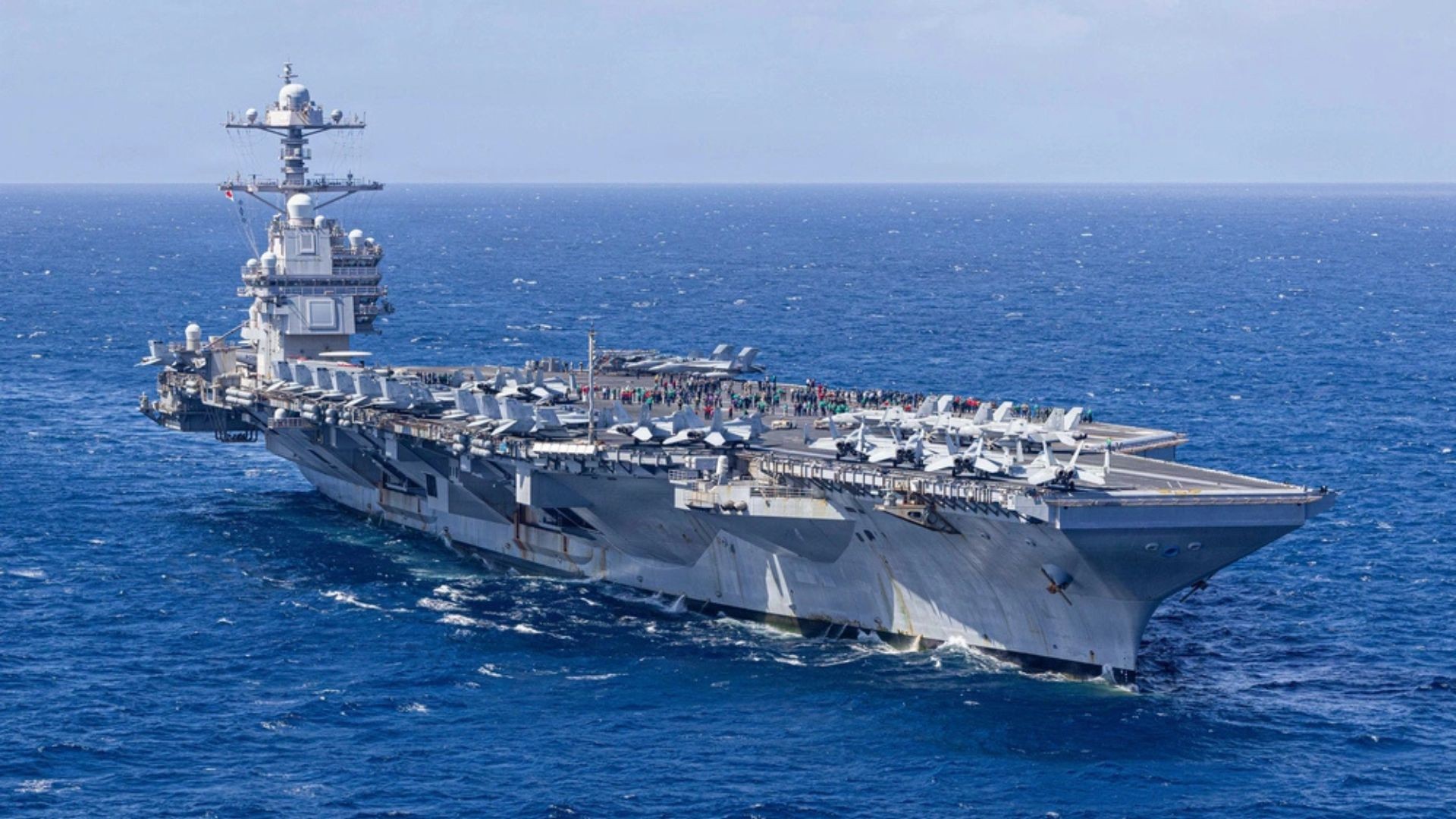
The U.S. military has rebranded its counternarcotics operation in Latin America as the "Western Hemisphere Task Force," signaling a new phase in its efforts against drug cartels. This initiative is an evolution of "Operation Southern Lances," launched in 2025, which previously targeted drug-carrying vessels in the Caribbean and contributed to the capture of Venezuelan leader Nicolás Maduro. The new task force aims to exert "total systemic pressure" on drug cartels and neutralize all associated threats. This development follows the Trump administration's establishment of a "Cartel Combatting Americas Coalition" with 16 Latin American nations, focused on dismantling drug organizations. These actions reflect an aggressive U.S. strategy against drug trafficking and a dominant stance towards neighboring countries, particularly during President Donald Trump's second term. The U.S. had previously threatened military action against nations not cooperating in counternarcotics efforts and countering the influence of rivals like Russia and China in the hemisphere. In conjunction with the task force rebranding, U.S. Southern Command (Southcom) announced the "Panamax 26" military exercises. These drills, to be held in and around the Panama Canal, will involve the armed forces of 18 nations, including Brazil, and are intended to ensure regional stability and combat "narco-terrorism." While the U.S. and Panama traditionally conduct these exercises annually, Panamax 26 marks the first time with such a broad international participation. Although most participating countries are part of the counternarcotics coalition, Brazil, Mexico, the Netherlands, and the United Kingdom are not. The U.S. stated that all participants share a commitment to detecting and defeating threats, acknowledging that not all, like Brazil and Mexico, align ideologically with the Trump administration's approach.
The U.S. military's rebranding of its counternarcotics operations and expansion of multinational exercises in the Western Hemisphere signifies a strategic recalibration. By framing the initiative as a "Western Hemisphere Task Force," the U.S. aims to consolidate and project a unified regional security posture. This approach, while ostensibly focused on combating drug cartels and narco-terrorism, also serves to counter the growing influence of geopolitical rivals in Latin America. The inclusion of diverse nations, some with differing political alignments, highlights the complex interplay of shared security interests and national sovereignty. The emphasis on "systemic pressure" suggests a move beyond traditional interdiction towards addressing the underlying economic and political factors that enable illicit networks. Future effectiveness will depend on balancing assertive security measures with respect for regional autonomy and fostering sustainable development to address root causes.
AI-generated to prompt reflection — not editorial opinion, not advice, not a statement of fact. How this works.
