US Rep. Byron Donalds Links Venezuelan TPS to Deportations in Florida
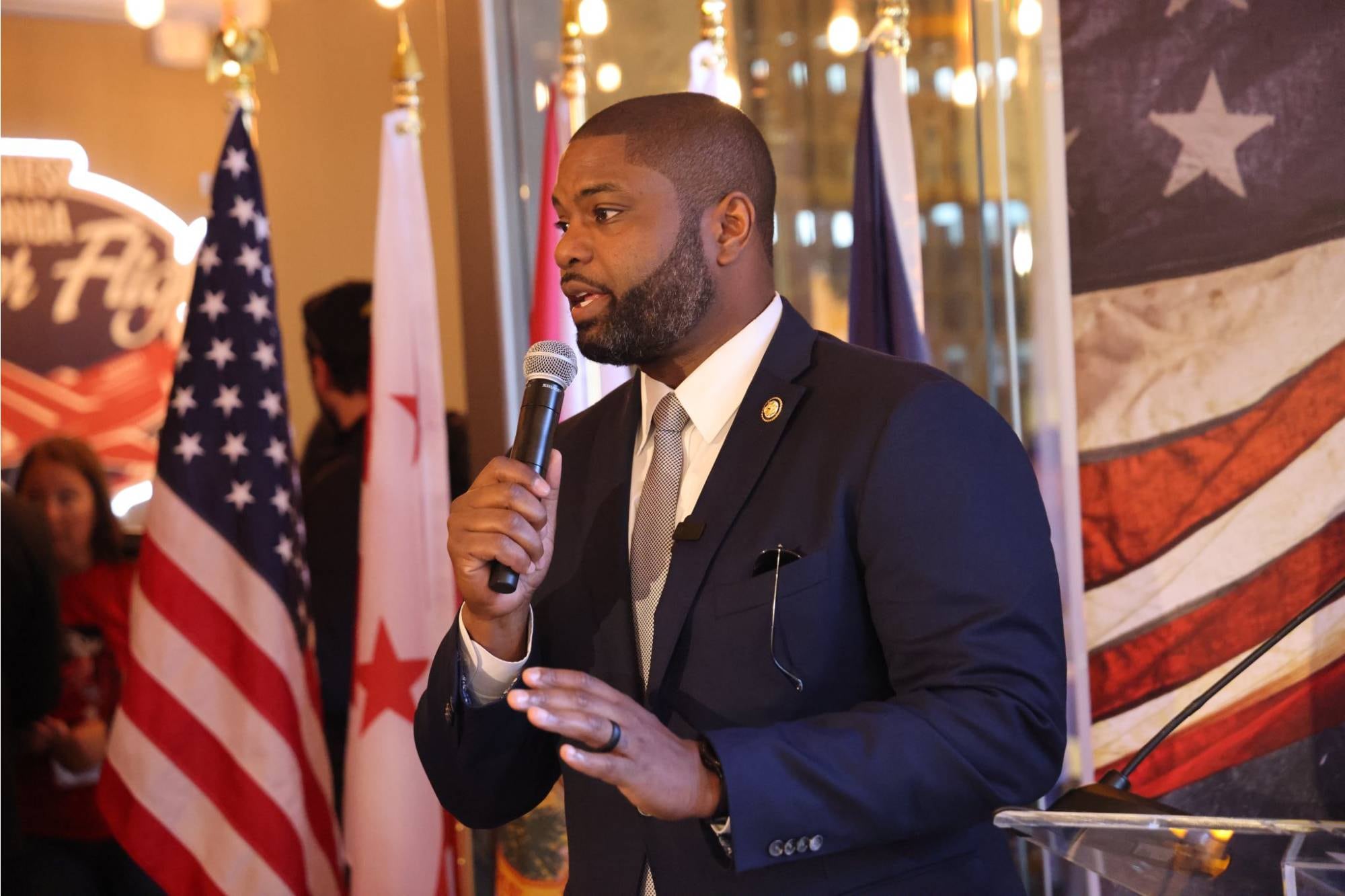
U.S. Representative Byron Donalds visited Doral, Florida, to discuss the Temporary Protected Status (TPS) for Venezuelans. During his visit, Donalds explicitly connected the issue of TPS with his campaign for Florida governor. He stated that his administration would focus on deportations, implying a stance against the current TPS provisions for Venezuelan nationals. The representative's remarks suggest a policy direction that prioritizes removal over extended protection for this group. This stance is likely to resonate with a segment of the electorate concerned about immigration policies and their impact on the state. Donalds' comments frame the TPS debate within the broader context of immigration enforcement and his gubernatorial aspirations. The visit and subsequent statements highlight the political salience of immigration issues in Florida's upcoming elections. His approach signals a potential shift in how the state might handle immigration matters under his leadership.
Representative Donalds' remarks frame the Temporary Protected Status (TPS) for Venezuelans through the lens of deportation and his gubernatorial campaign. This approach highlights a common political strategy of linking complex immigration statuses to enforcement-centric narratives, potentially appealing to voters prioritizing stricter border control. Such framing may simplify the humanitarian and legal considerations inherent in TPS, which is designed to offer temporary refuge to individuals unable to return to their home countries due to conflict or disaster. The juxtaposition of TPS with deportation suggests a focus on national sovereignty and resource management, common themes in political discourse. Future policy decisions regarding TPS will likely continue to be influenced by these competing pressures between humanitarian concerns, legal frameworks, and electoral politics, particularly in states with significant immigrant populations.
AI-generated to prompt reflection — not editorial opinion, not advice, not a statement of fact. How this works.