US Repays $81 Billion in Tariffs After Supreme Court Ruling Against Trump
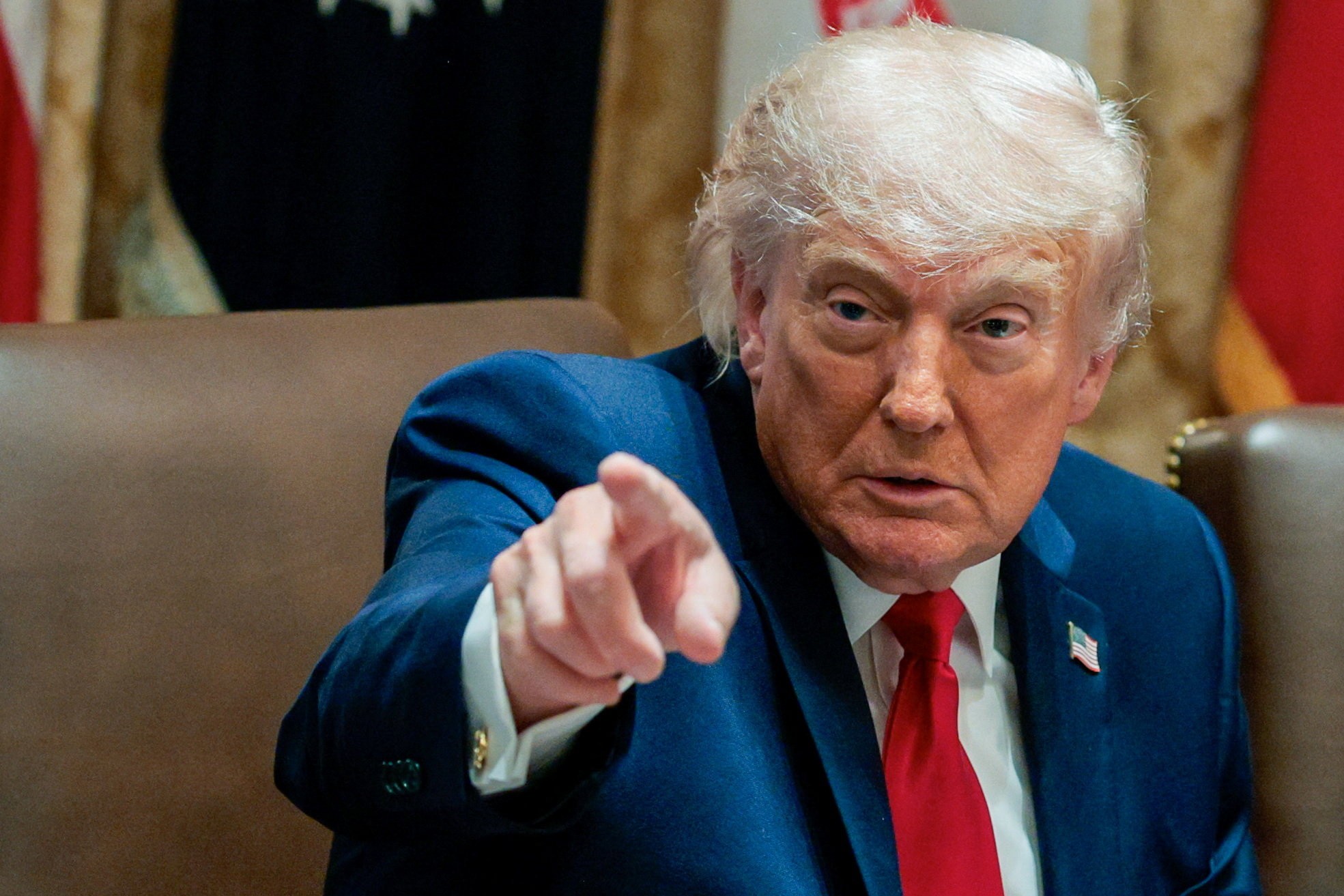
The U.S. government has begun refunding approximately $81 billion in tariffs to companies that paid extra duties on imported goods since April 2025. This action follows a Supreme Court decision that declared the tariffs, imposed by then-President Donald Trump, to be illegal. The refunds, which started in October 2025 at the beginning of the U.S. fiscal year, represent a significant increase compared to the $5 billion refunded in the same period the previous year. According to the U.S. Treasury Department's public accounts report, the surge in refunds is "almost entirely" due to the Supreme Court's ruling, with most payments occurring in May and June. In June alone, the government collected $23.6 billion in tariffs but returned $49.2 billion, resulting in a net outflow of $25.6 billion related to tariffs for that month. Trump had initially justified these surcharges as a measure to protect domestic industry, stimulate production, and increase government revenue. However, in February, the Supreme Court overturned the "reciprocal tariffs" of 10% or more, ruling that Trump had exceeded his authority under the International Emergency Economic Powers Act (IEEPA) by unilaterally creating these tariffs. Consequently, the government was compelled to reimburse importers who had paid these additional duties. Despite this setback, Trump announced his intention to implement new measures, utilizing Section 122 of U.S. trade law to impose a temporary 10% tariff for 150 days on imported goods. The substantial tariff refunds contributed to a widening of the U.S. budget deficit in June to $120 billion, a stark contrast to a $27 billion surplus in the same month the previous year. For the fiscal year to date, the deficit reached $1.367 trillion, a 2% increase, with total revenue rising 4% but expenditures growing at a faster rate, exacerbated by significant interest payments on public debt, which surpassed $1 trillion.
The U.S. Treasury's substantial tariff refunds, amounting to $81 billion following a Supreme Court decision, highlight the critical role of judicial review in constraining executive authority over trade policy. This event underscores the potential for unilateral executive actions, even those framed as protecting national interests, to create significant fiscal volatility and financial burdens when later invalidated. The administration's subsequent attempt to re-impose tariffs via a different legal mechanism suggests a persistent incentive to leverage trade restrictions, potentially indicating a broader strategic objective to manage international trade balances through fiscal tools. This dynamic raises questions about the long-term predictability of U.S. trade policy and its impact on global supply chains and international economic relations in the coming decade, particularly as nations increasingly rely on stable, predictable regulatory environments for investment and growth.
AI-generated to prompt reflection — not editorial opinion, not advice, not a statement of fact. How this works.